Loading

Dictation from the Other Side
Curated by Laura Whitcomb
July 23–September 12, 2026
Opening reception Thursday, July 23, 6–8 pm

Karma
7351 Santa Monica Boulevard
Los Angeles

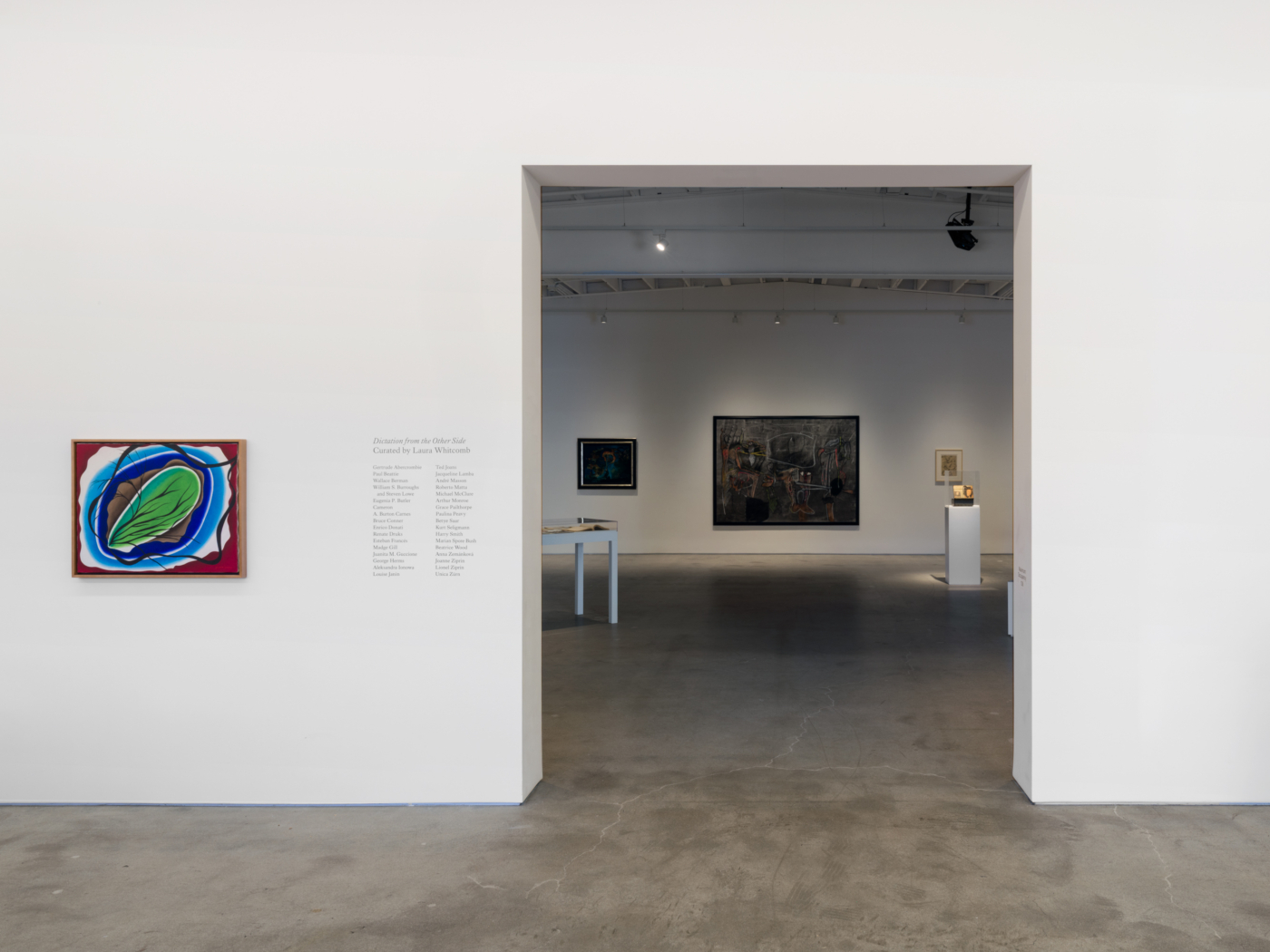
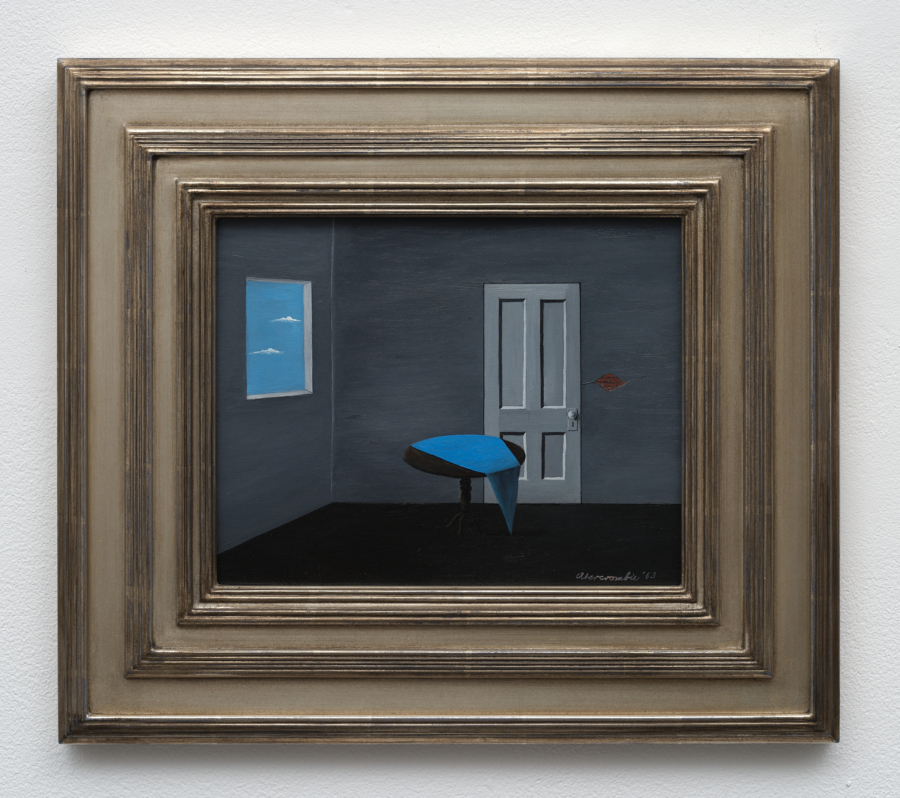
Gertrude Abercrombie, Paul Beattie, Wallace Berman, William S. Burroughs and Steven Lowe, Eugenia P. Butler, Cameron, A. Burton Carnes, Bruce Conner, Enrico Donati, Renate Druks, Esteban Francés, Madge Gill, Juanita M. Guccione, George Herms, Aleksandra Ionowa, Louise Janin, Ted Joans, Jacqueline Lamba, André Masson, Roberto Matta, Michael McClure, Arthur Monroe, Grace Pailthorpe, Paulina Peavy, Betye Saar, Kurt Seligmann, Harry Smith, Marian Spore Bush, Beatrice Wood, Anna Zemánková, Joanne Ziprin, Lionel Ziprin, and Unica Zürn
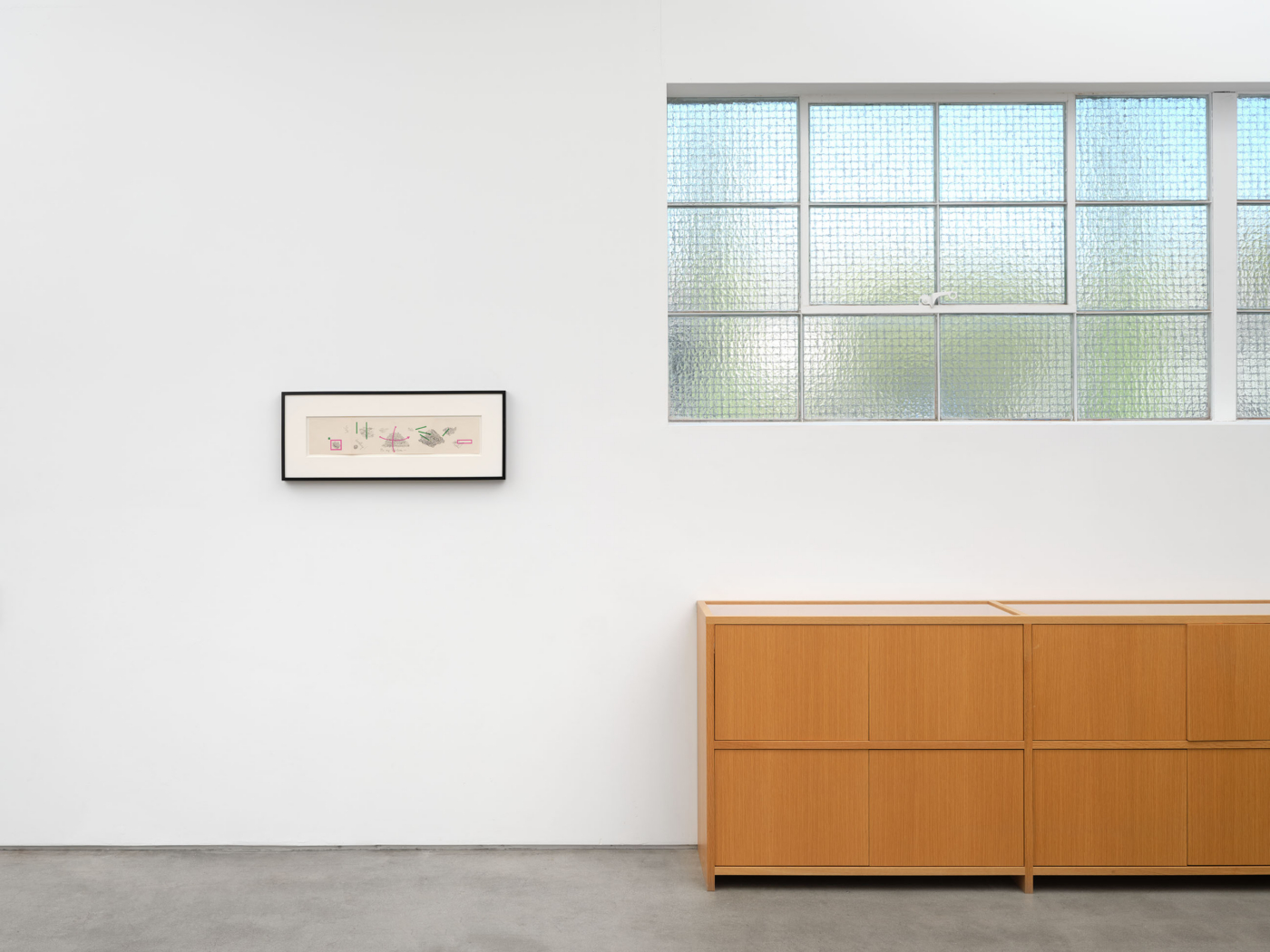
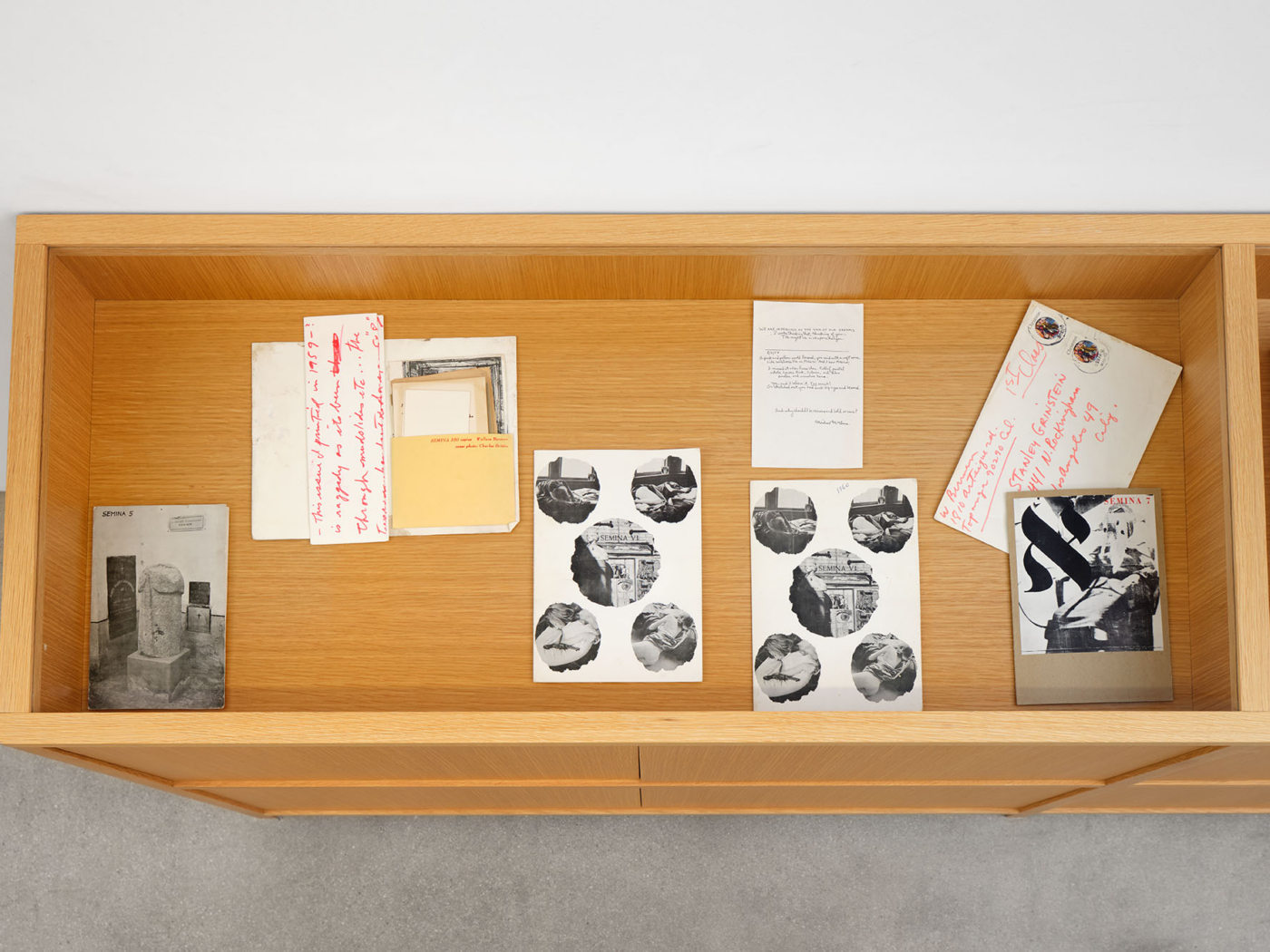
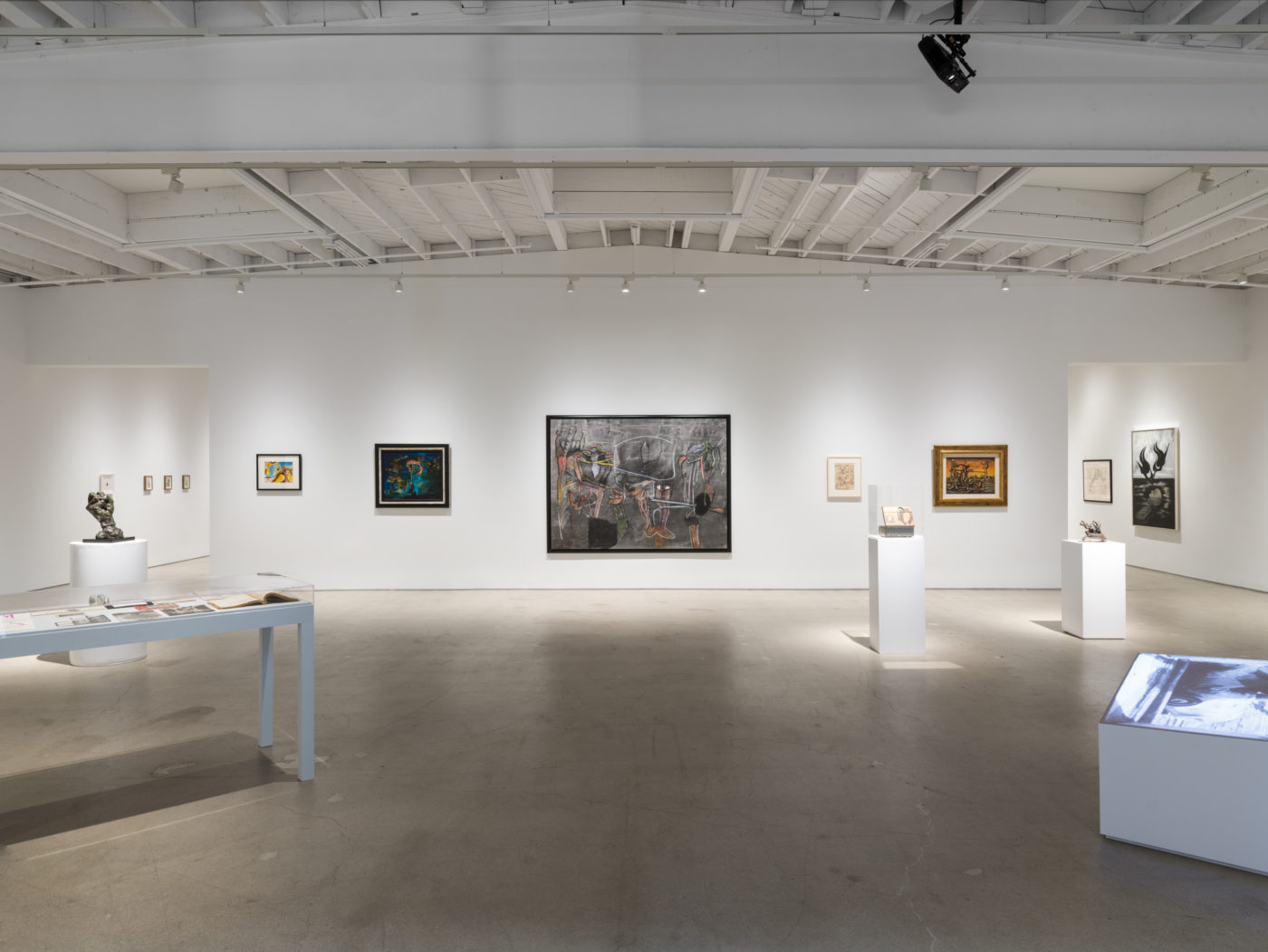
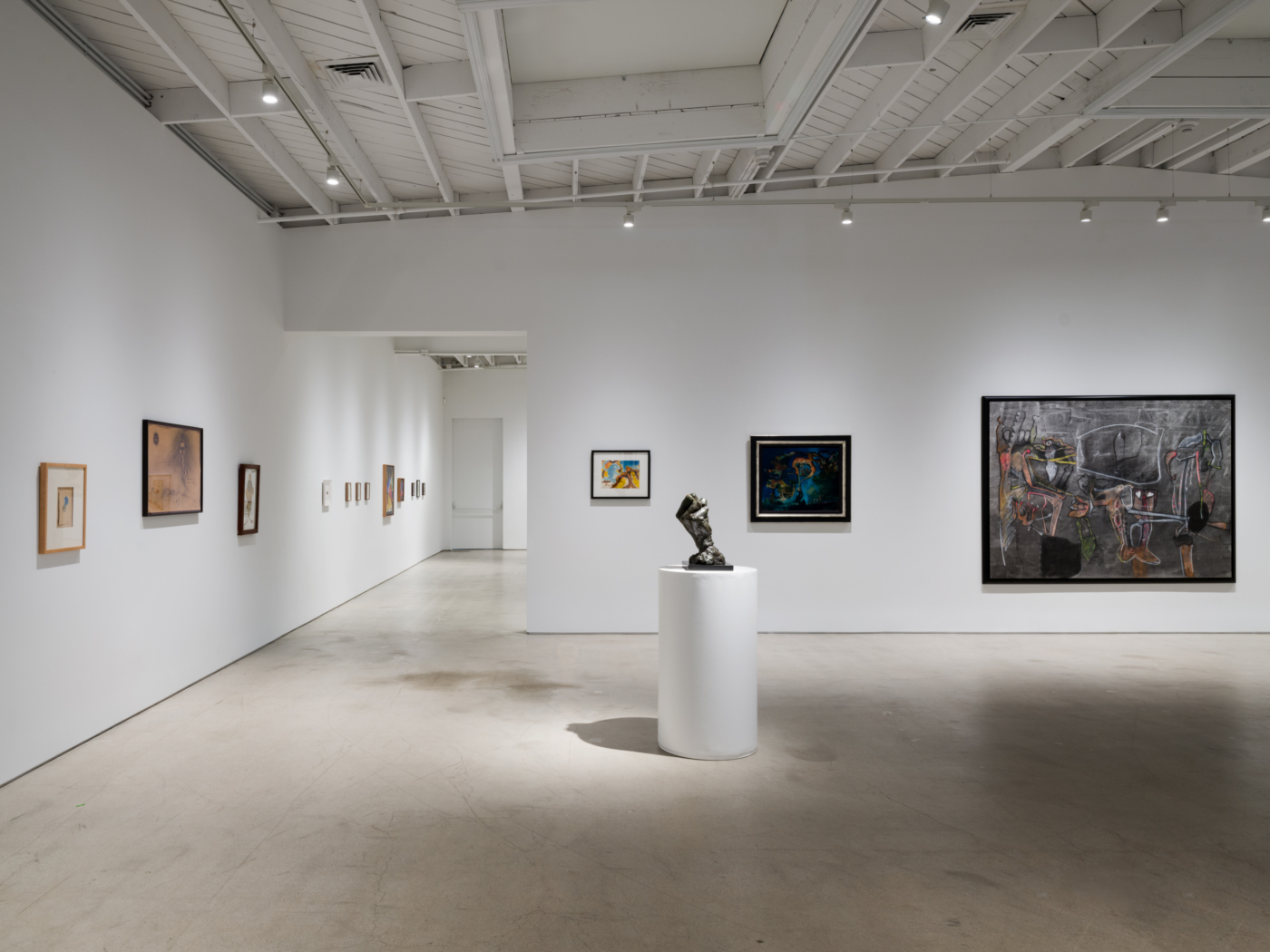
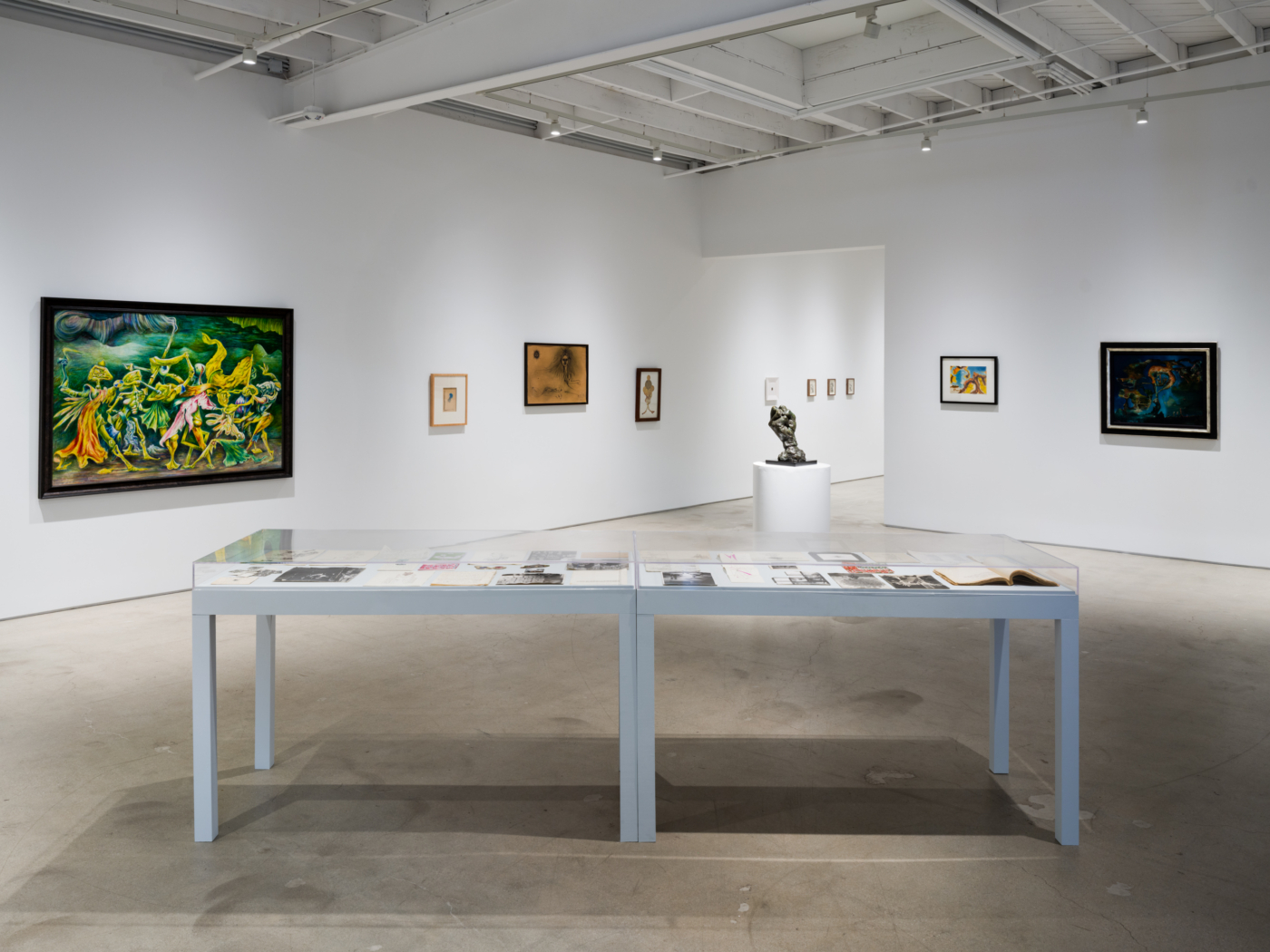
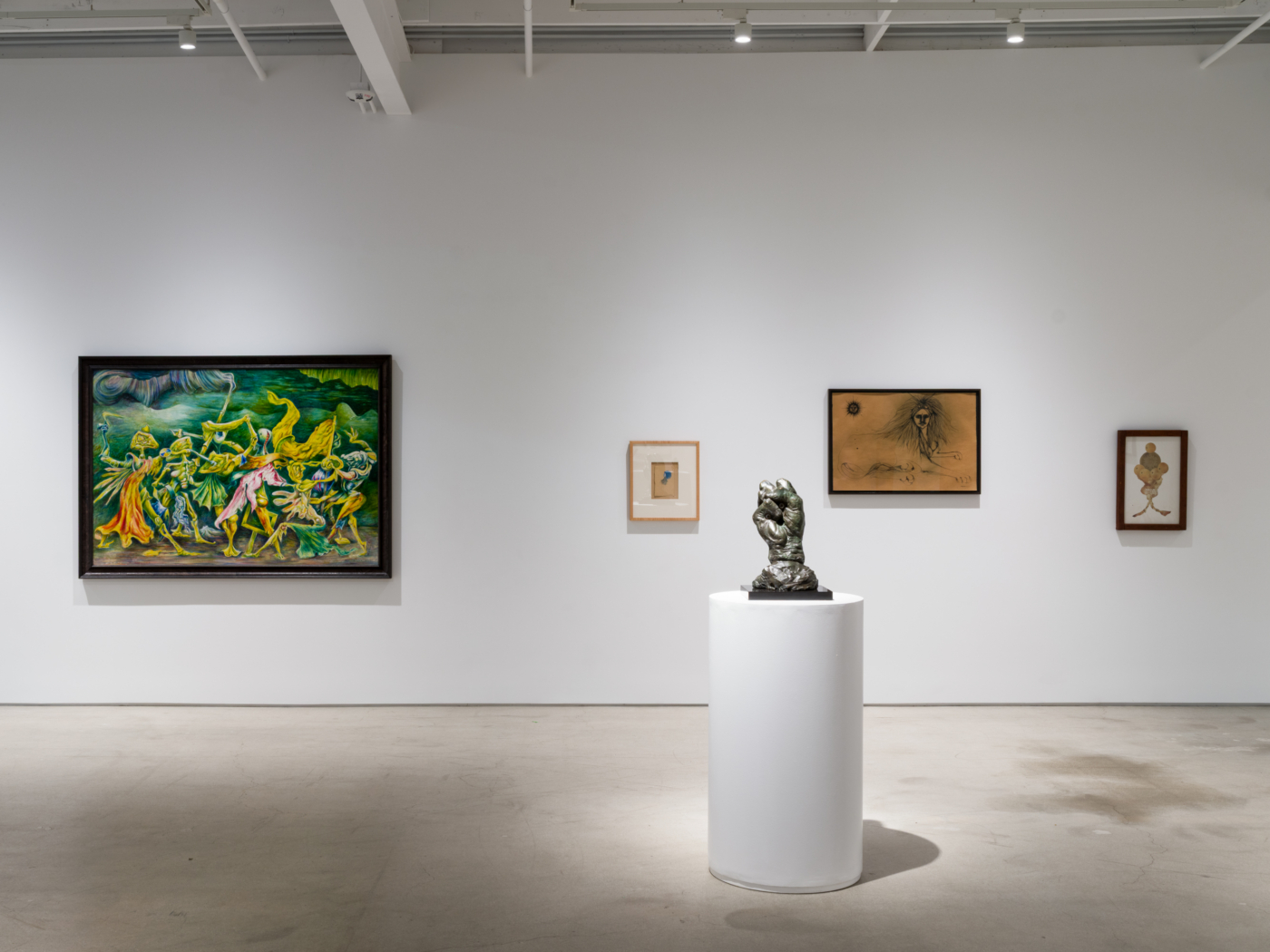
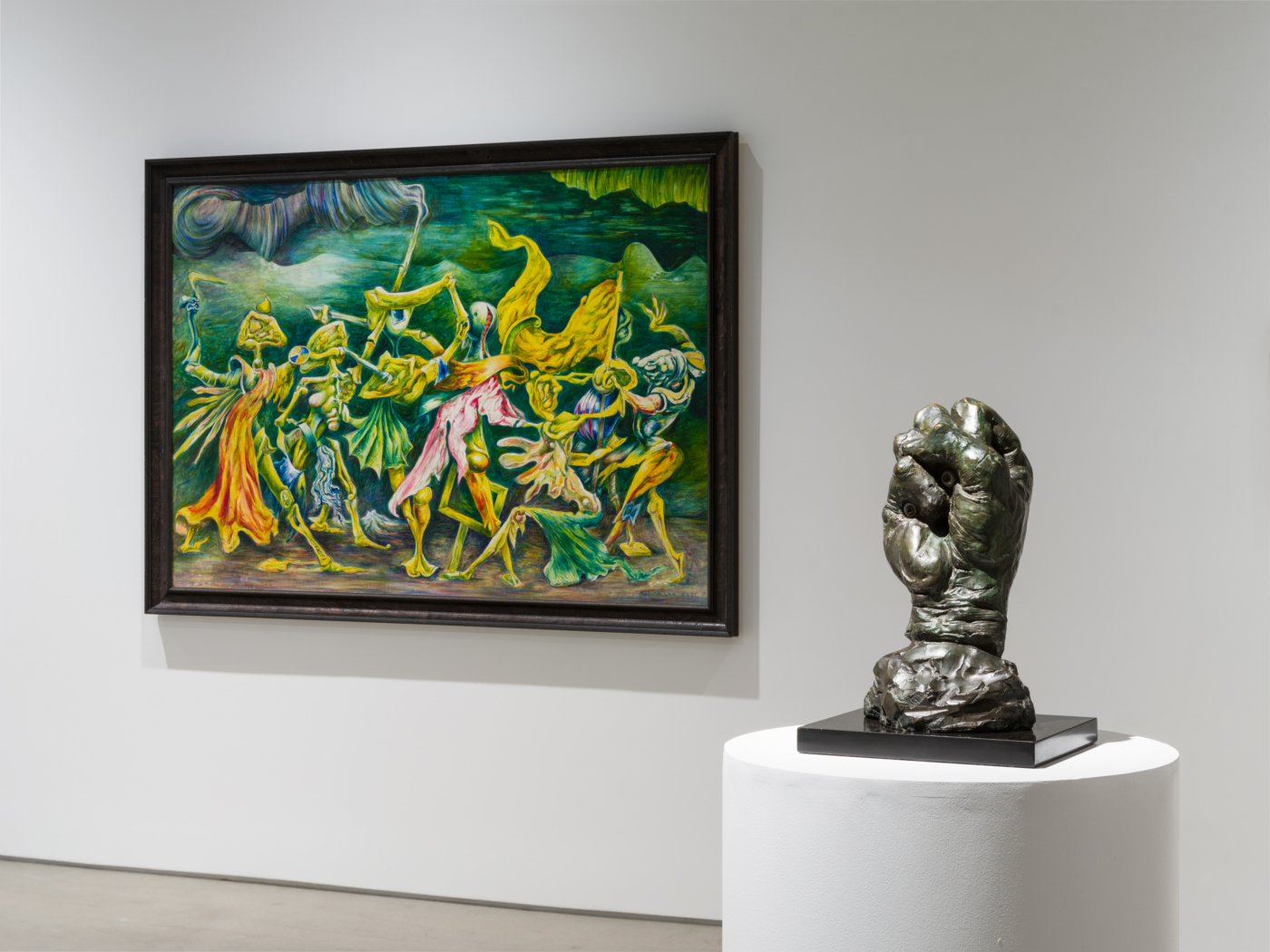
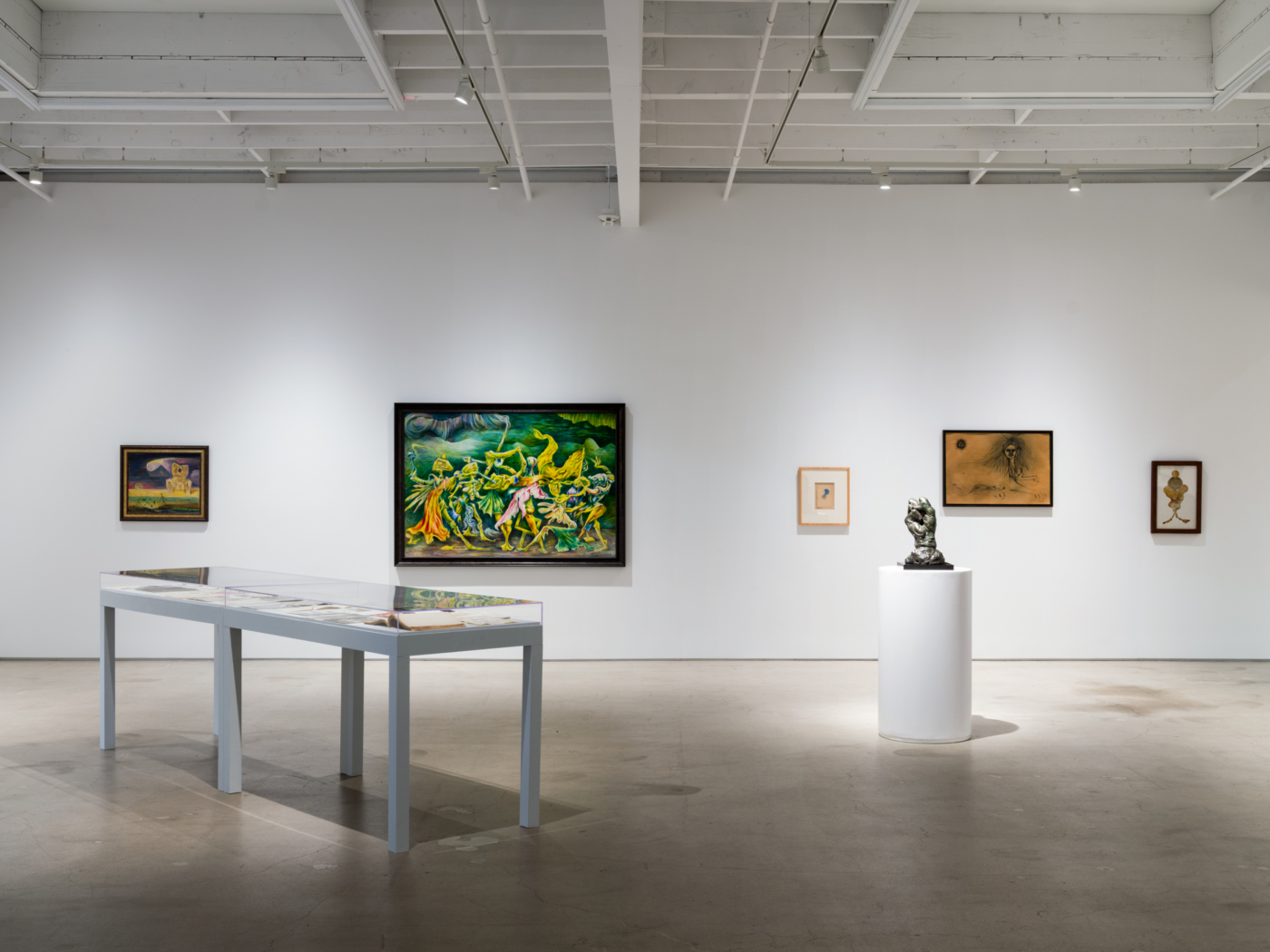
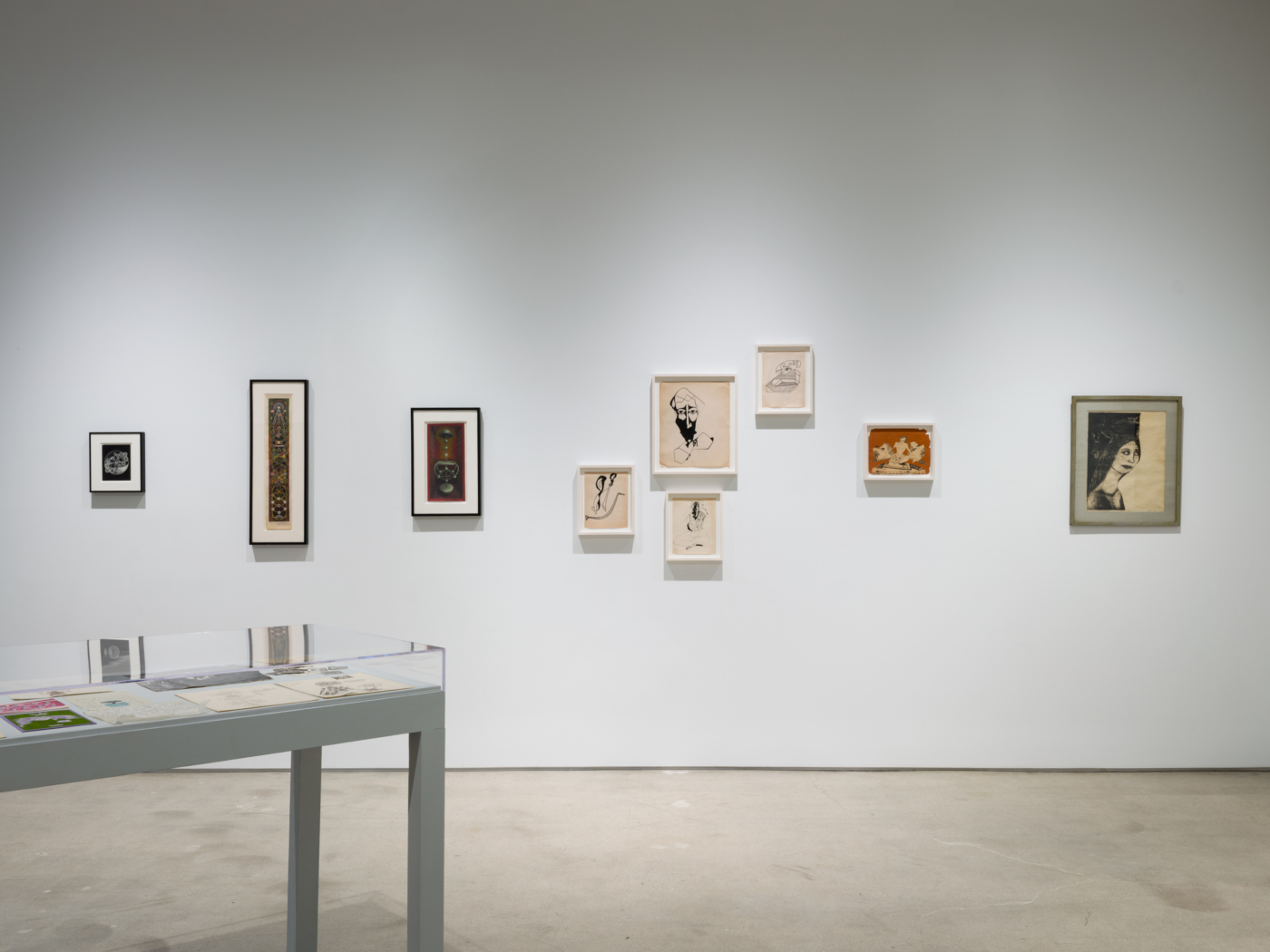
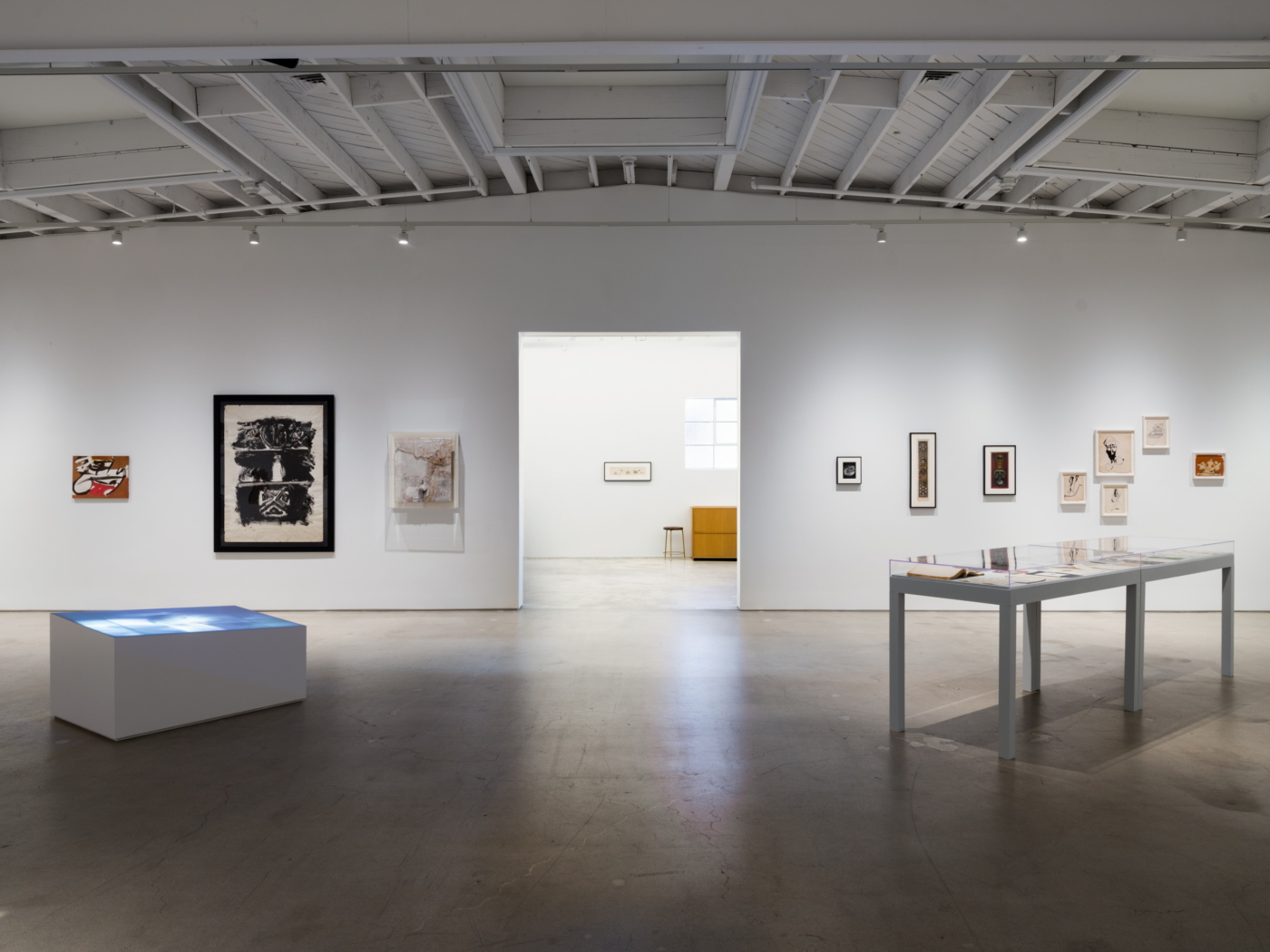
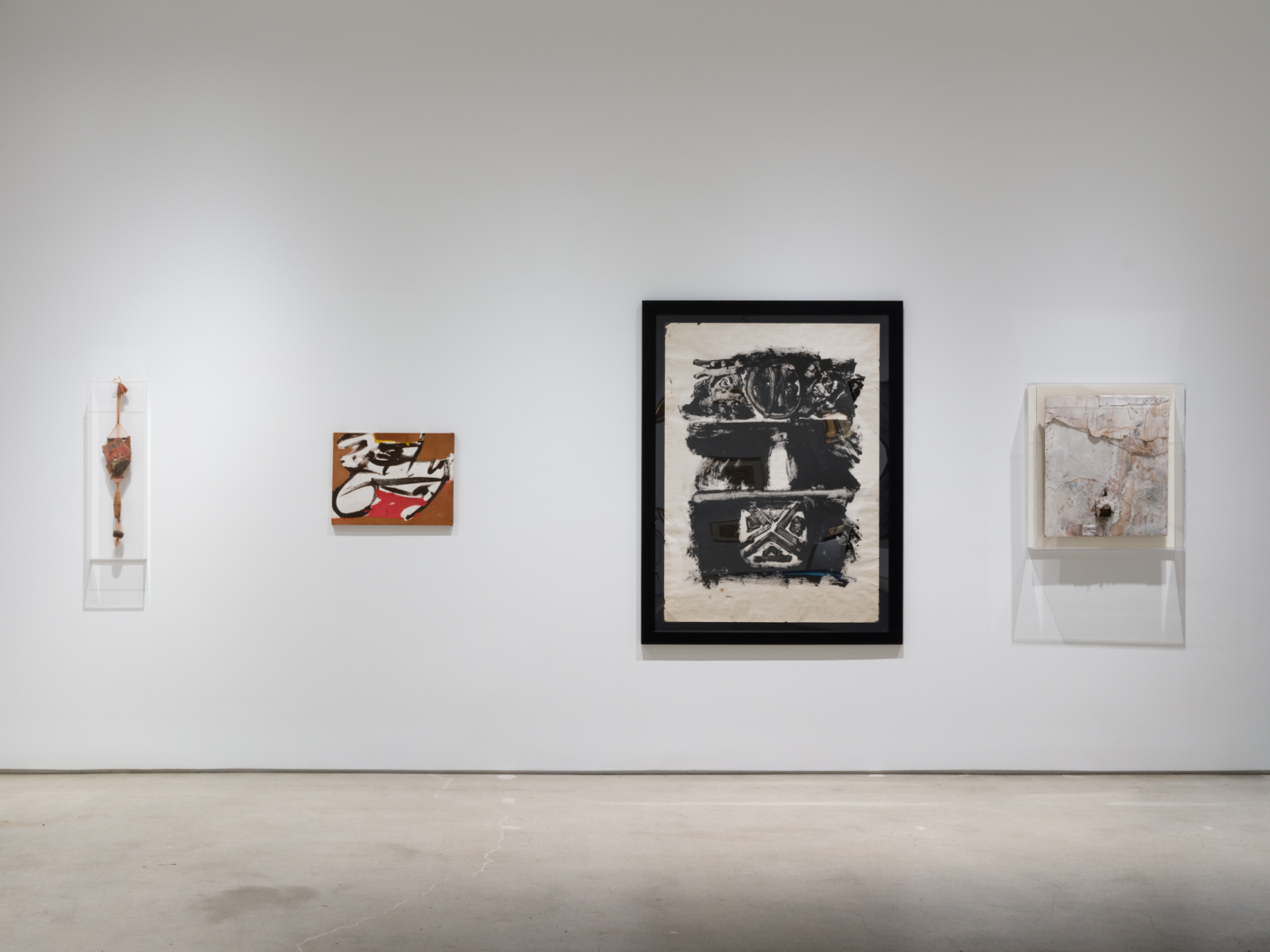
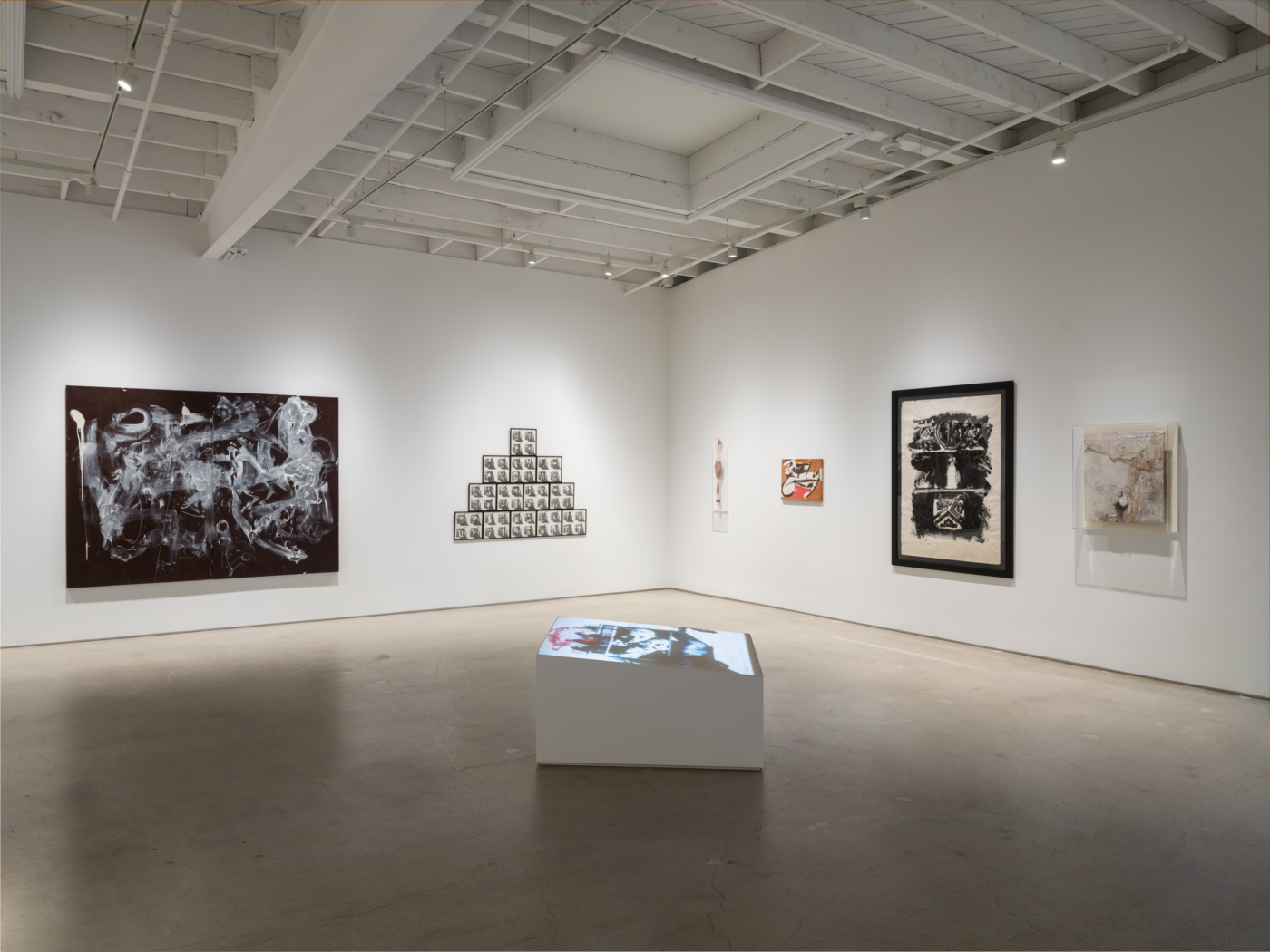
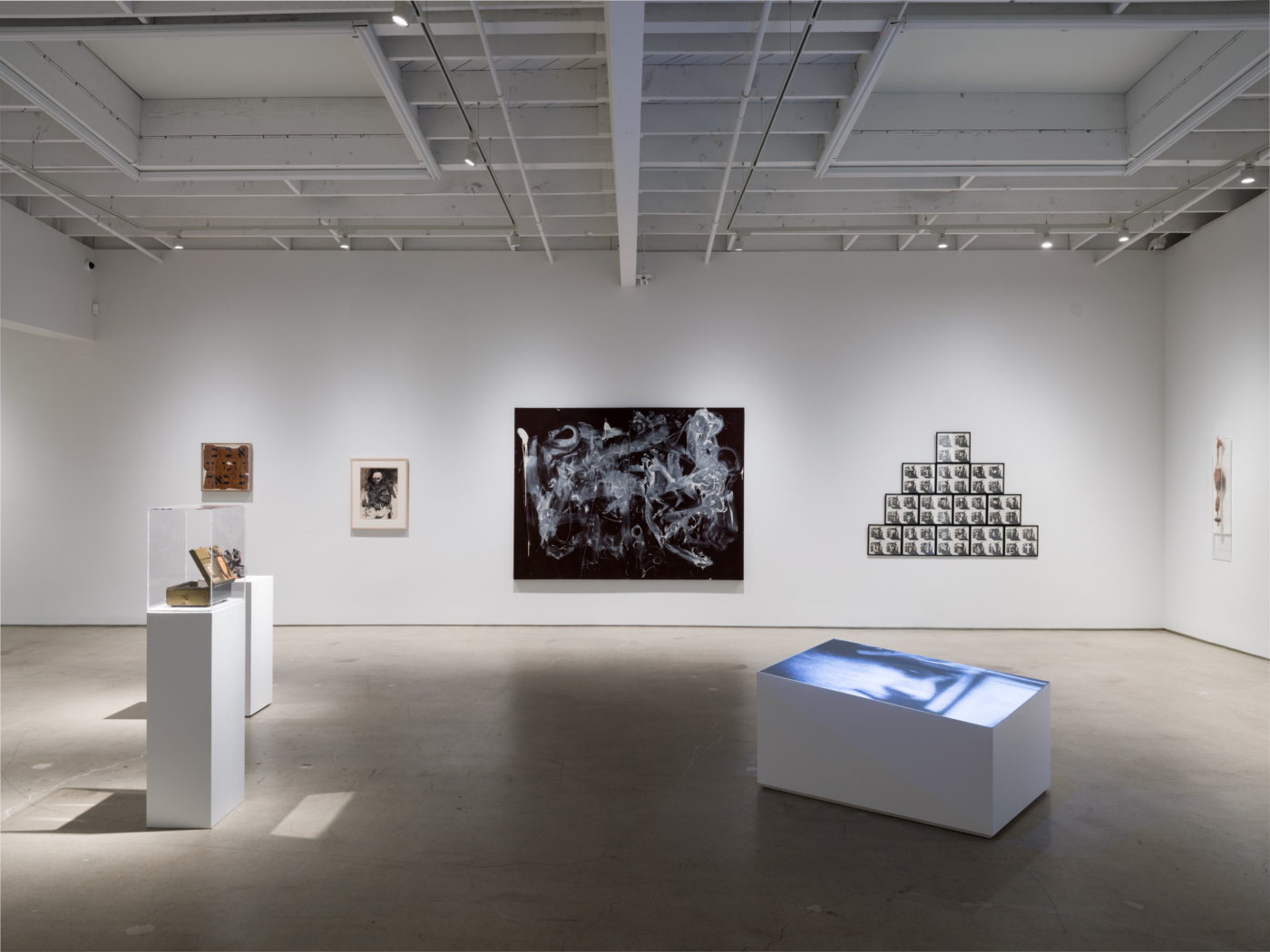
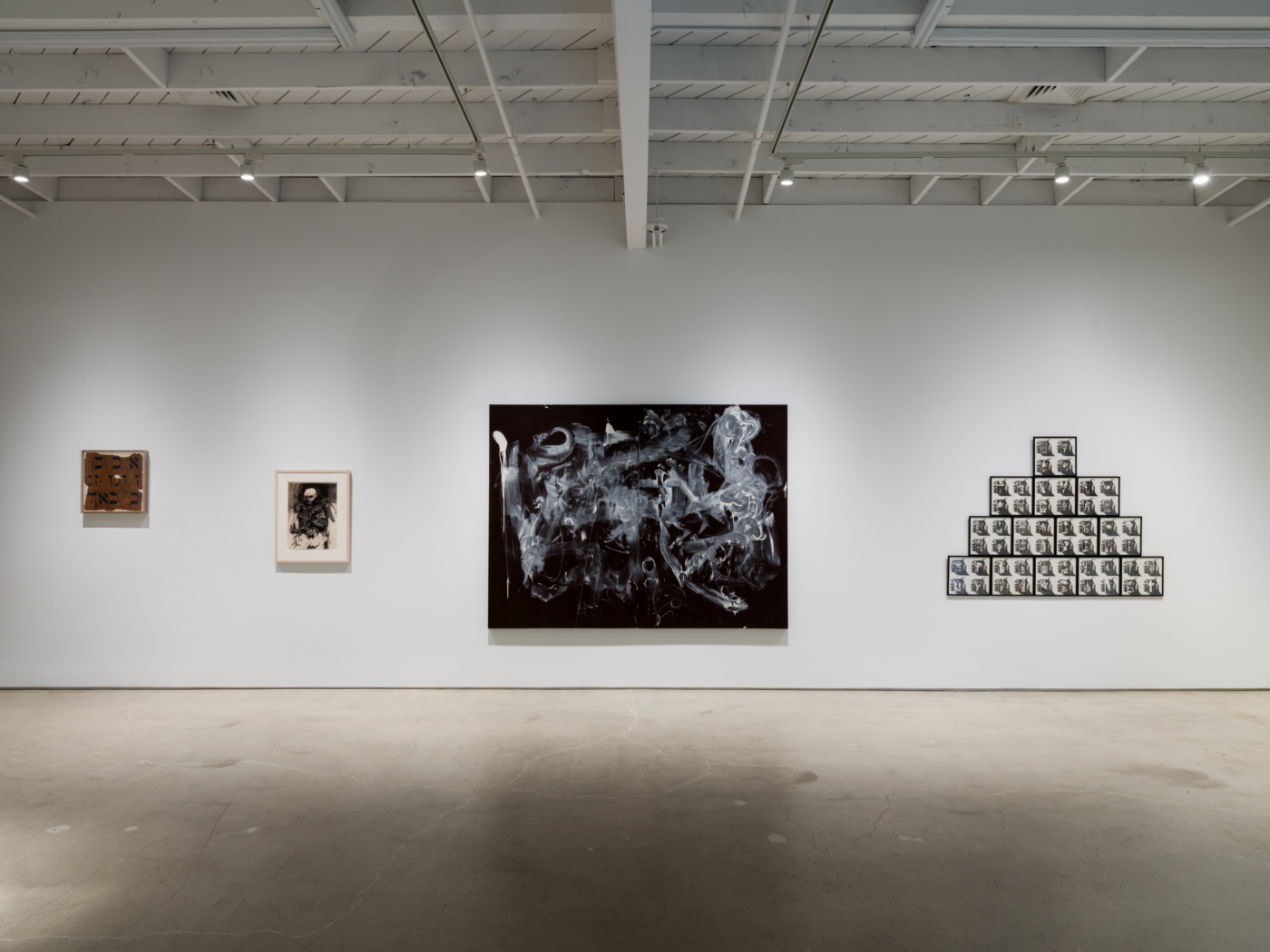
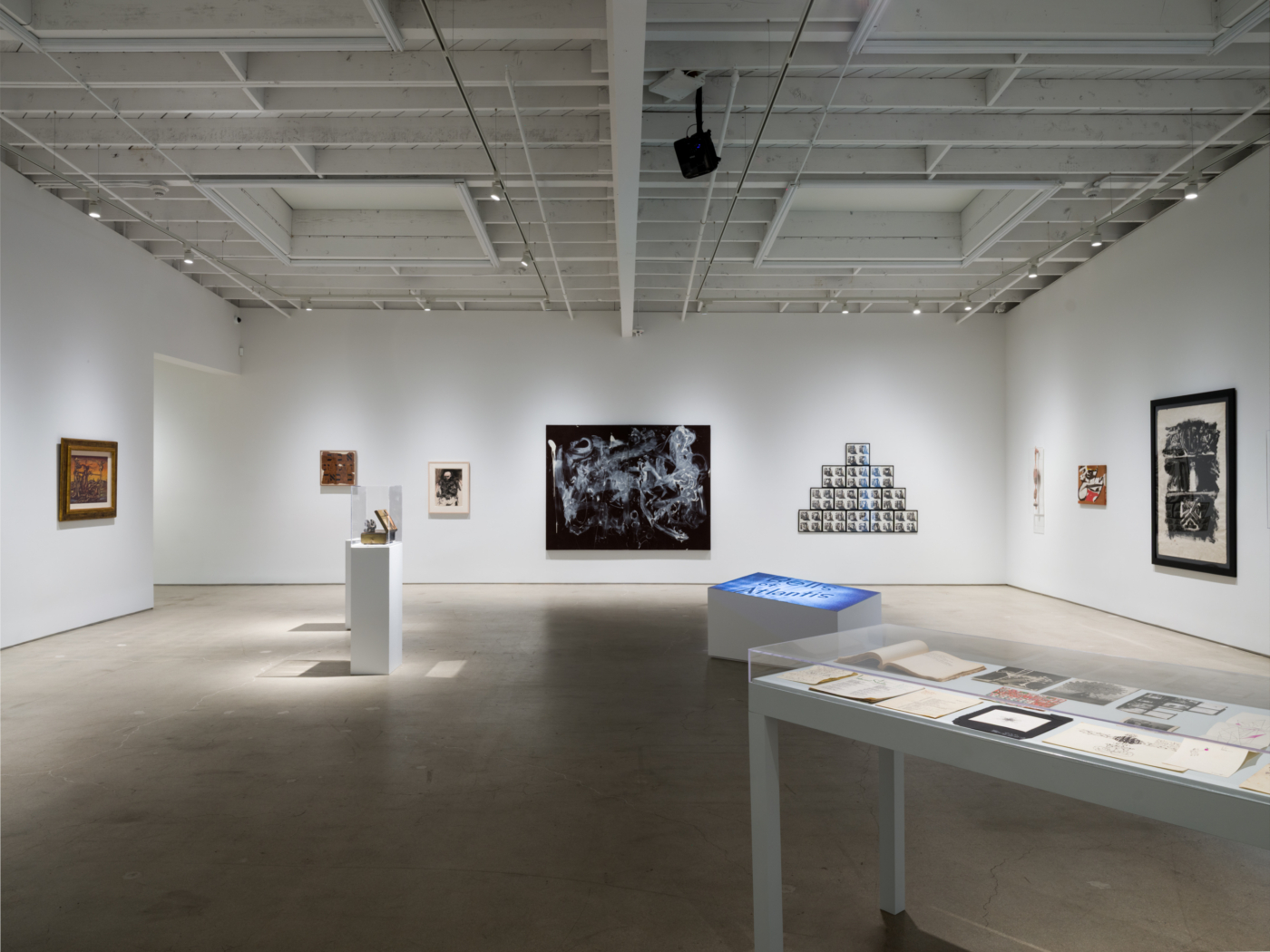
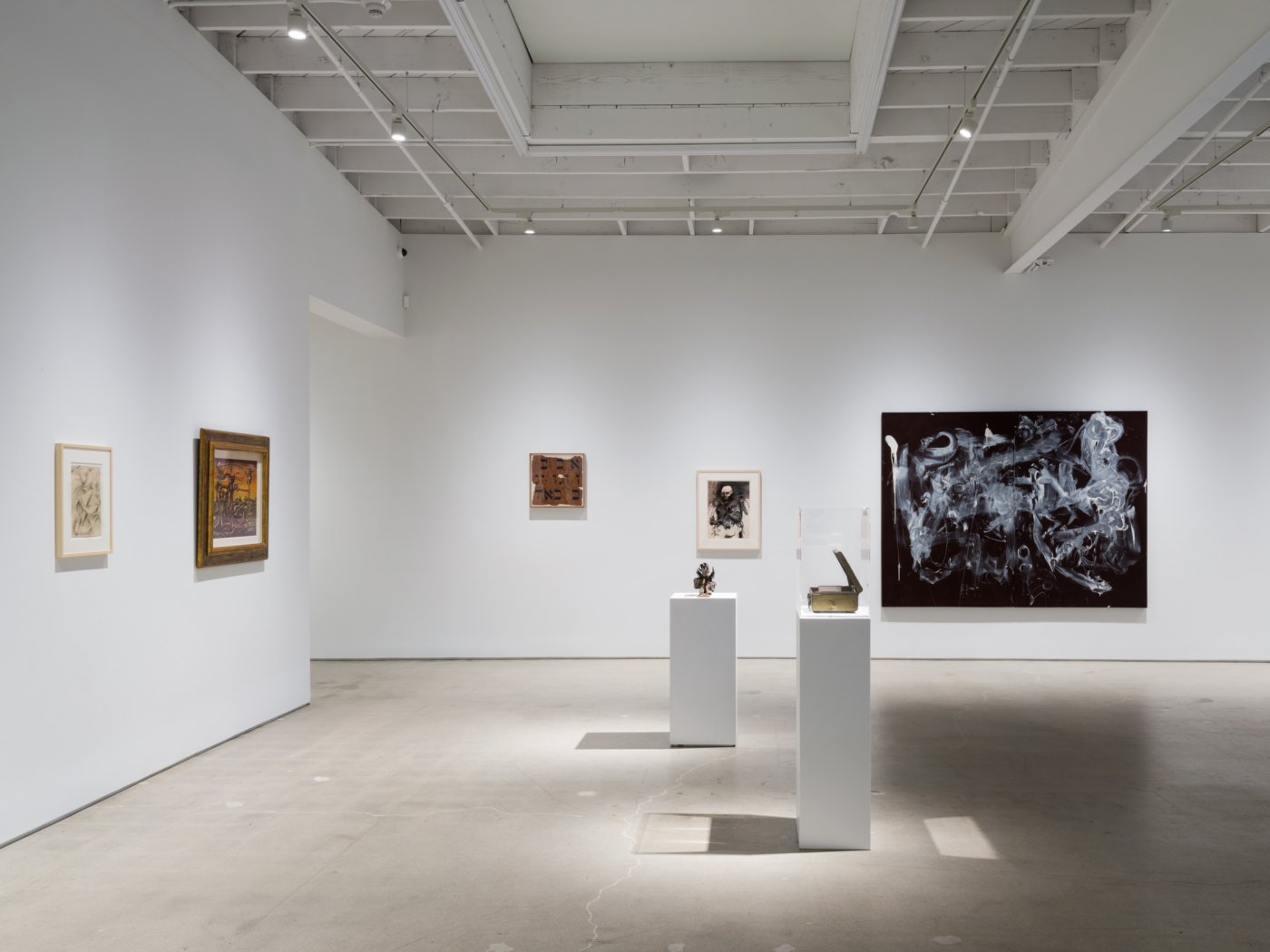
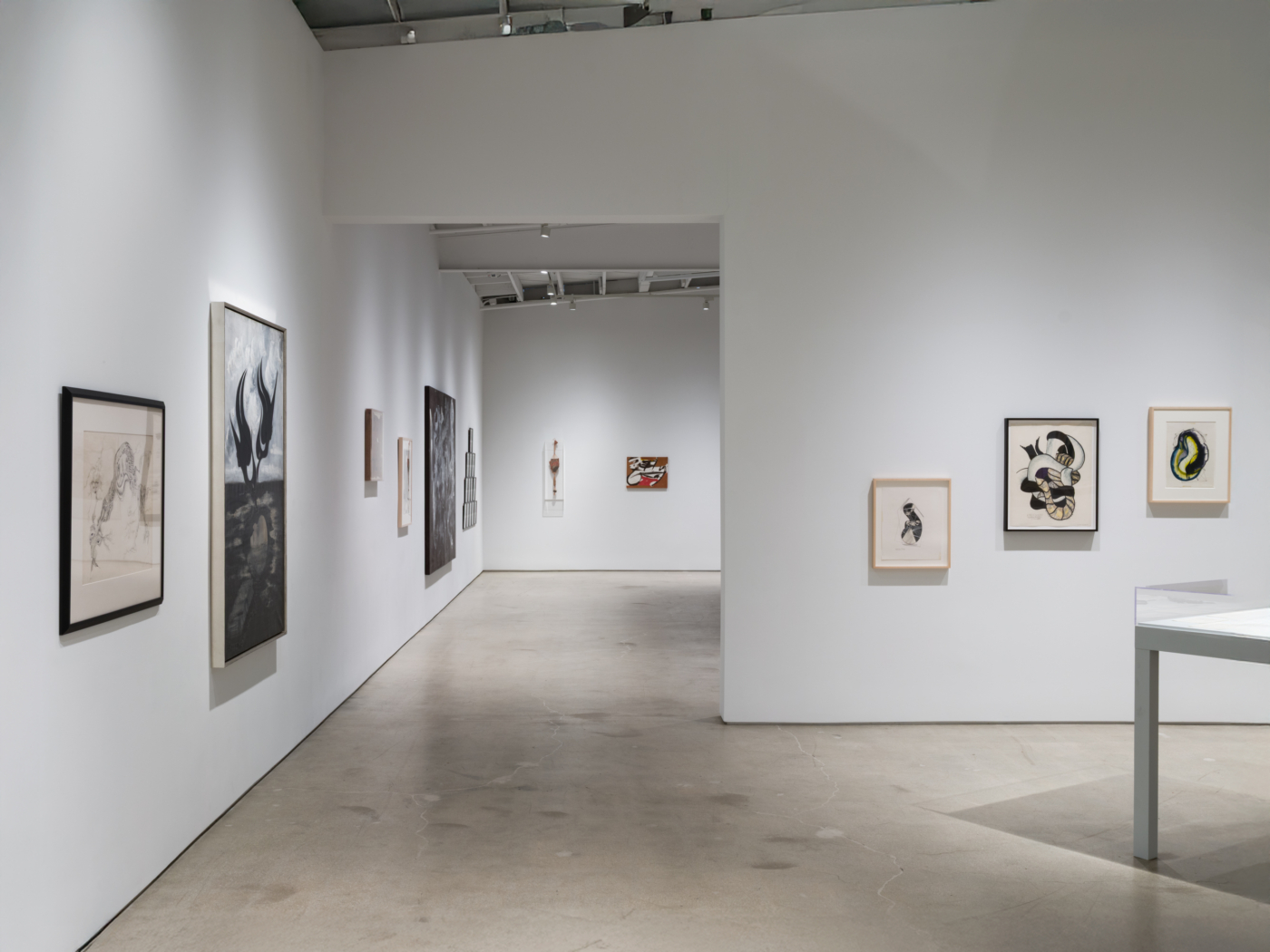
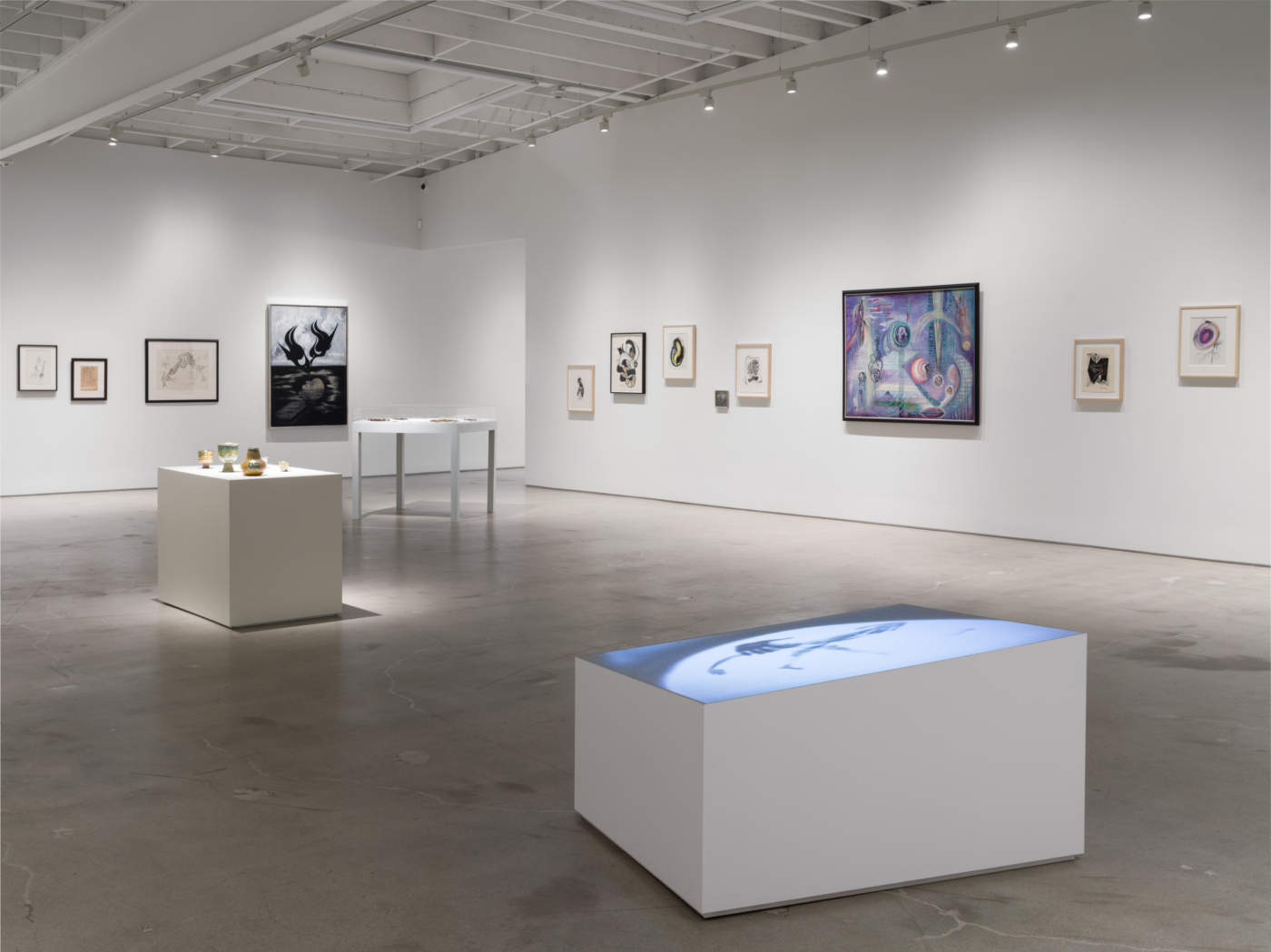
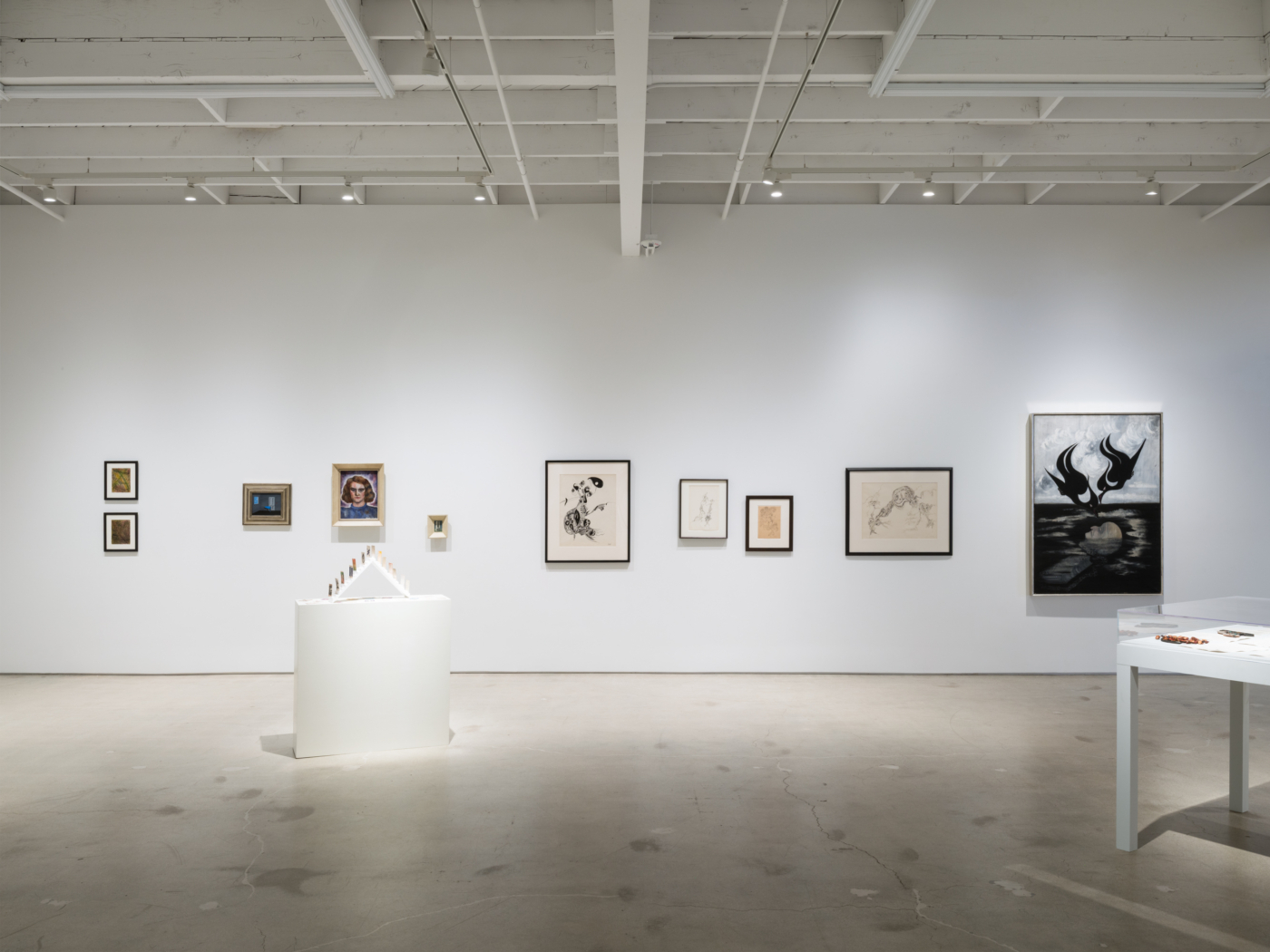
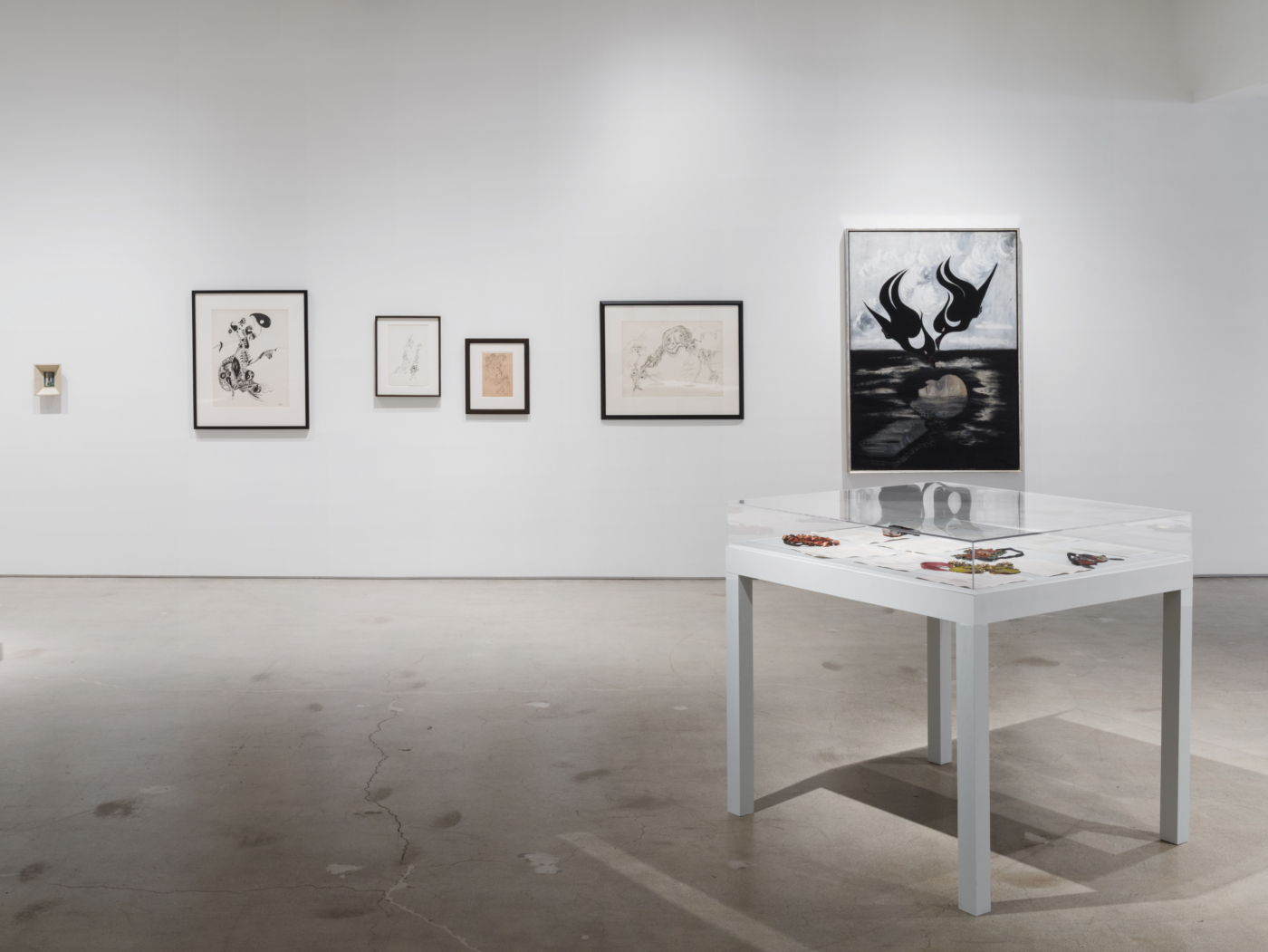
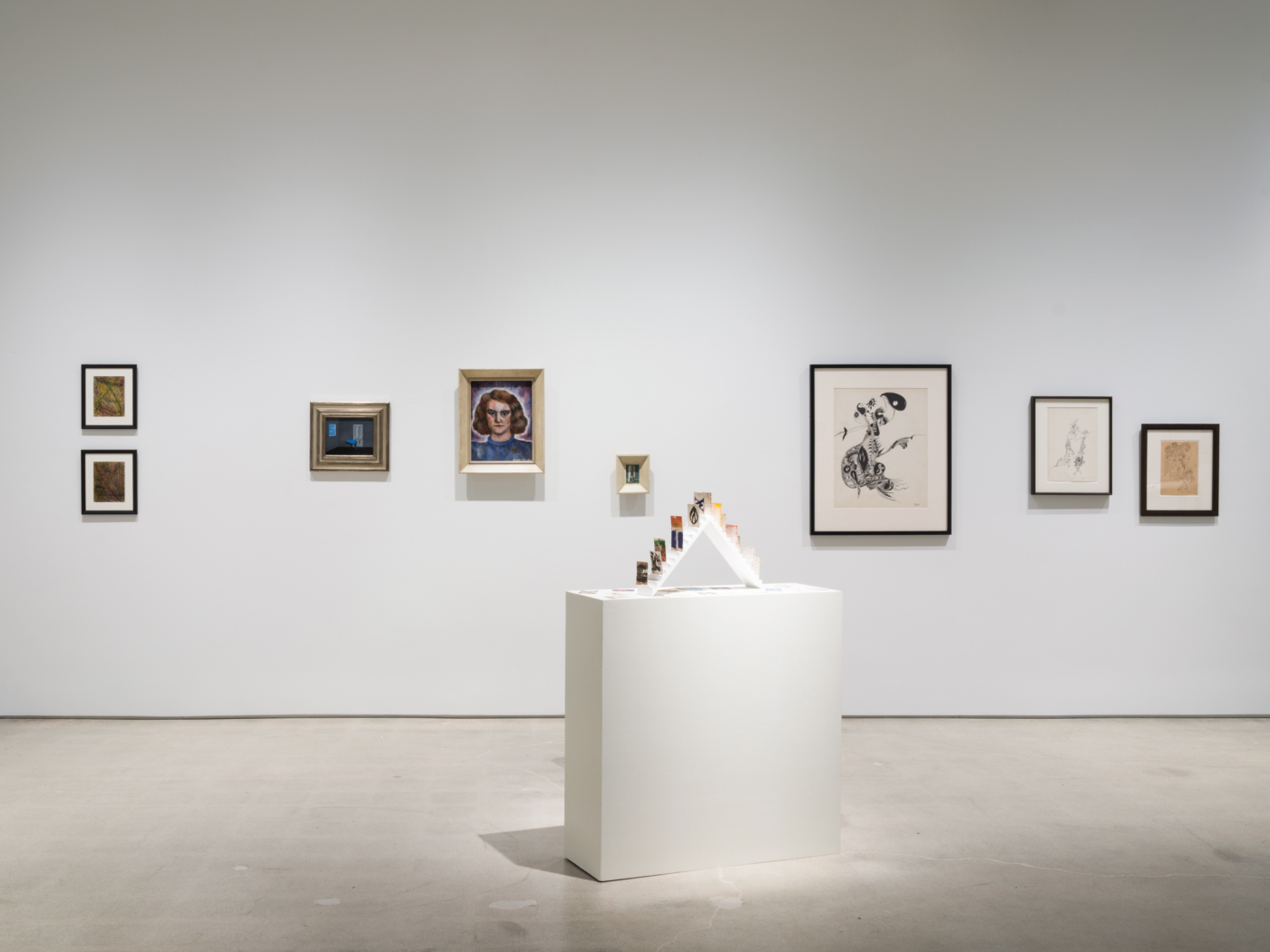
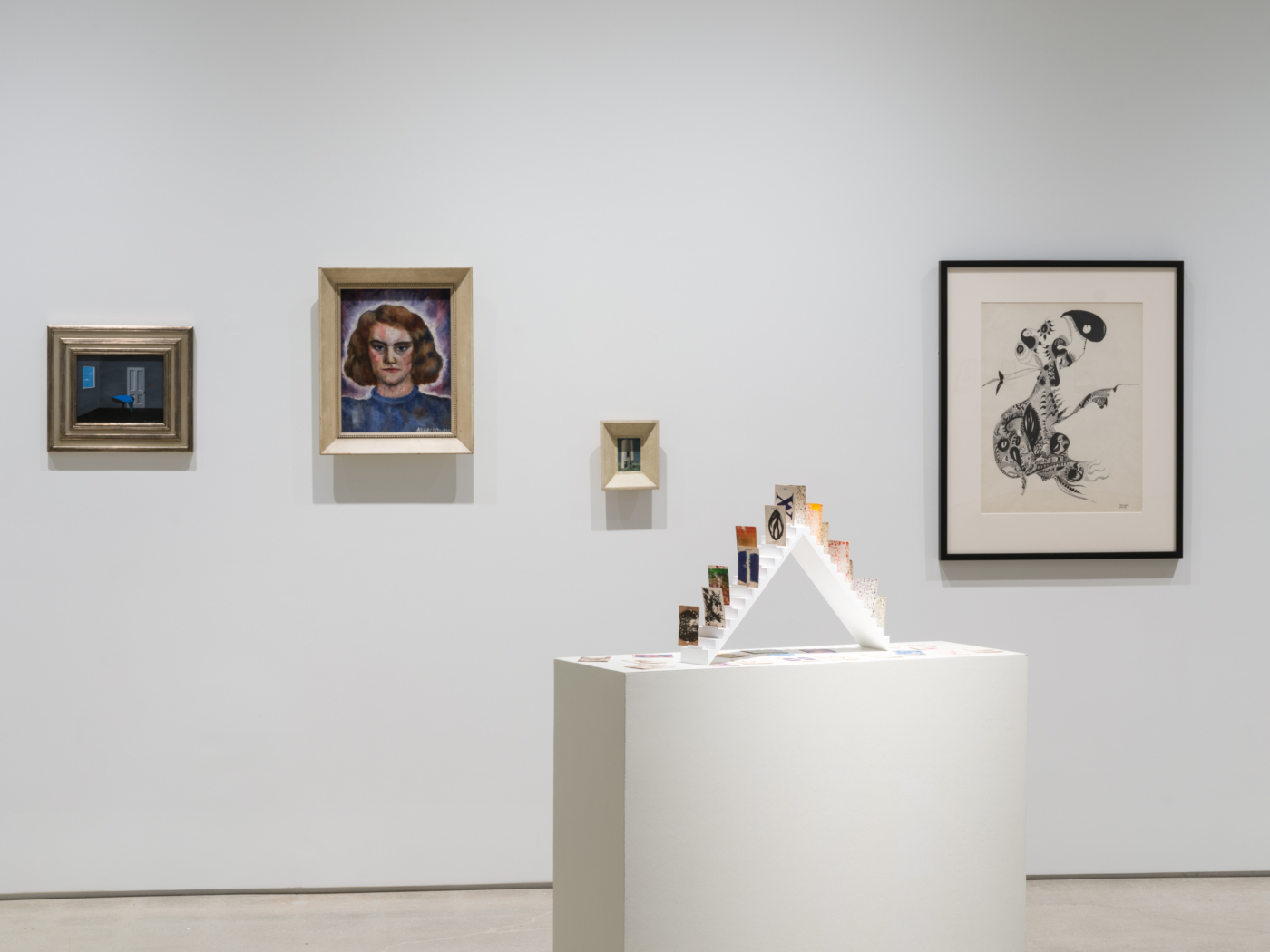
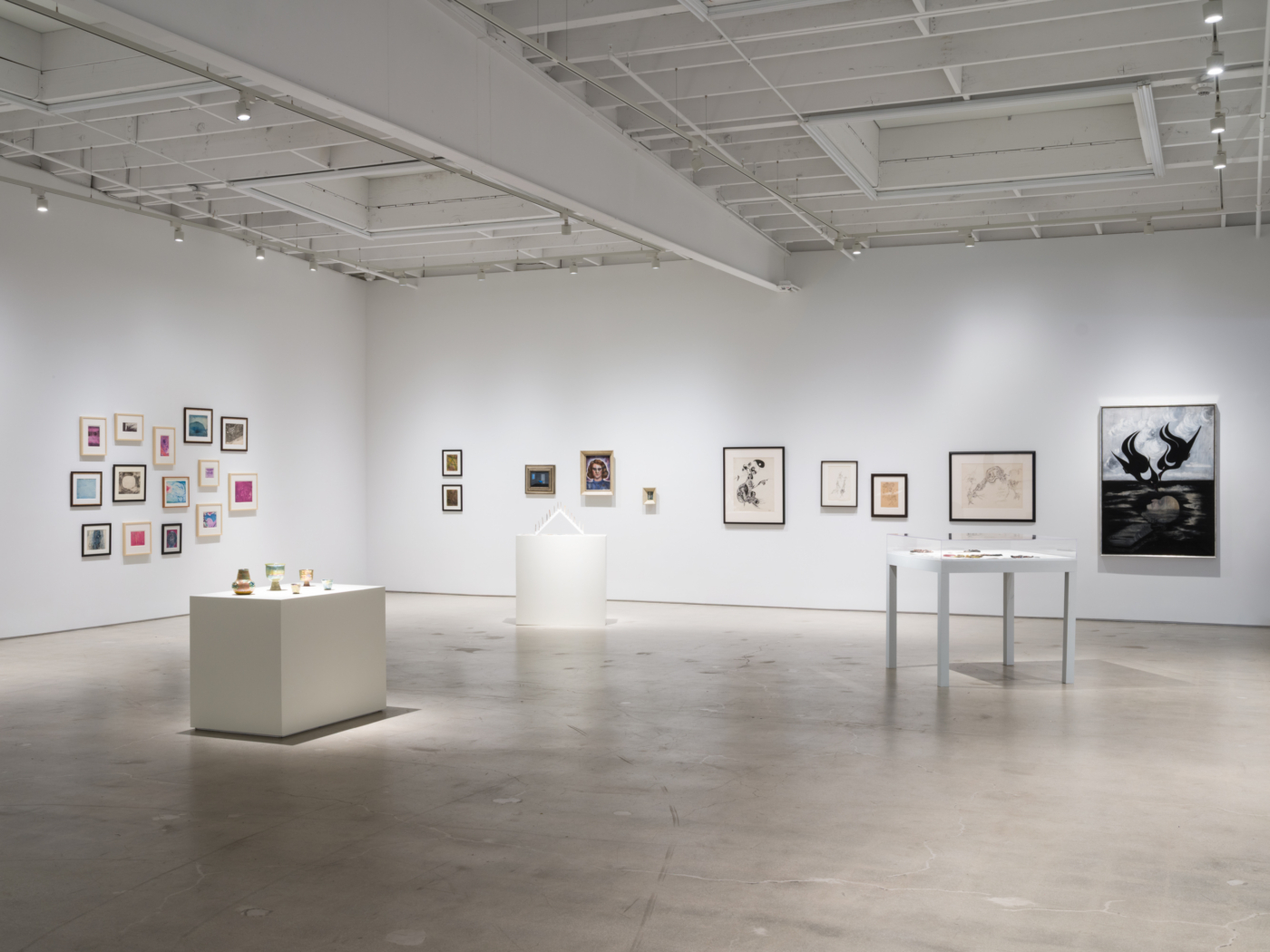
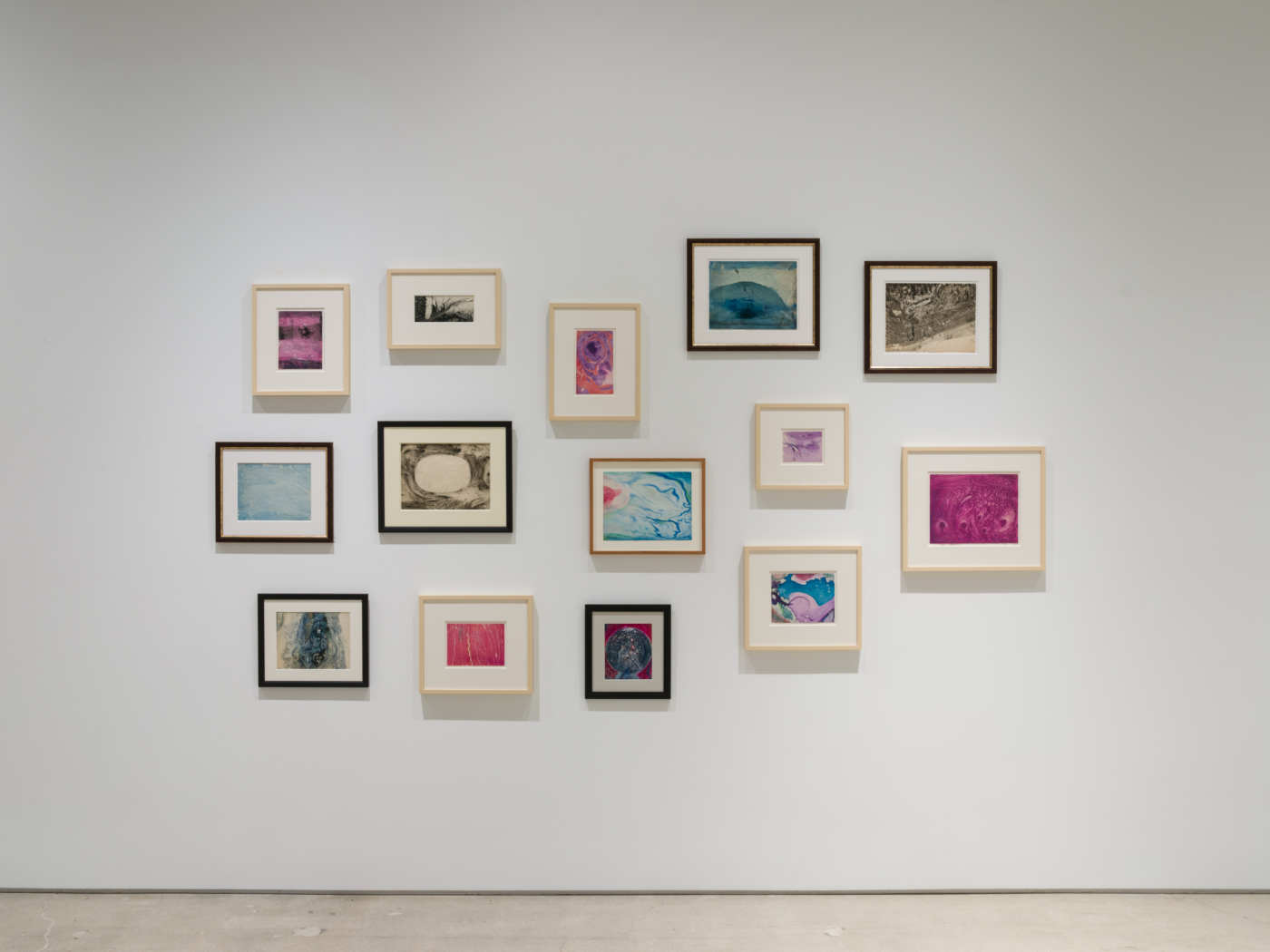
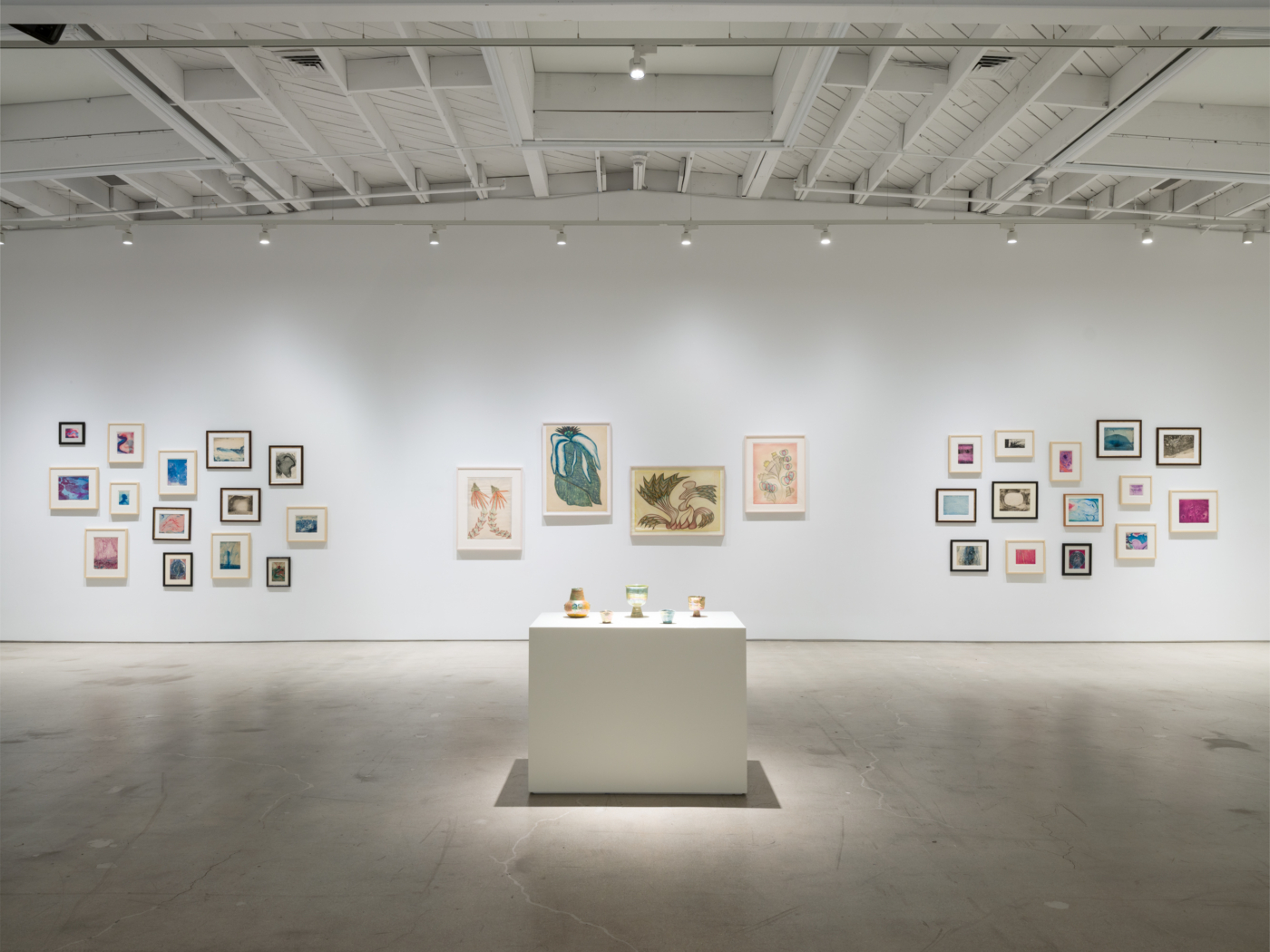
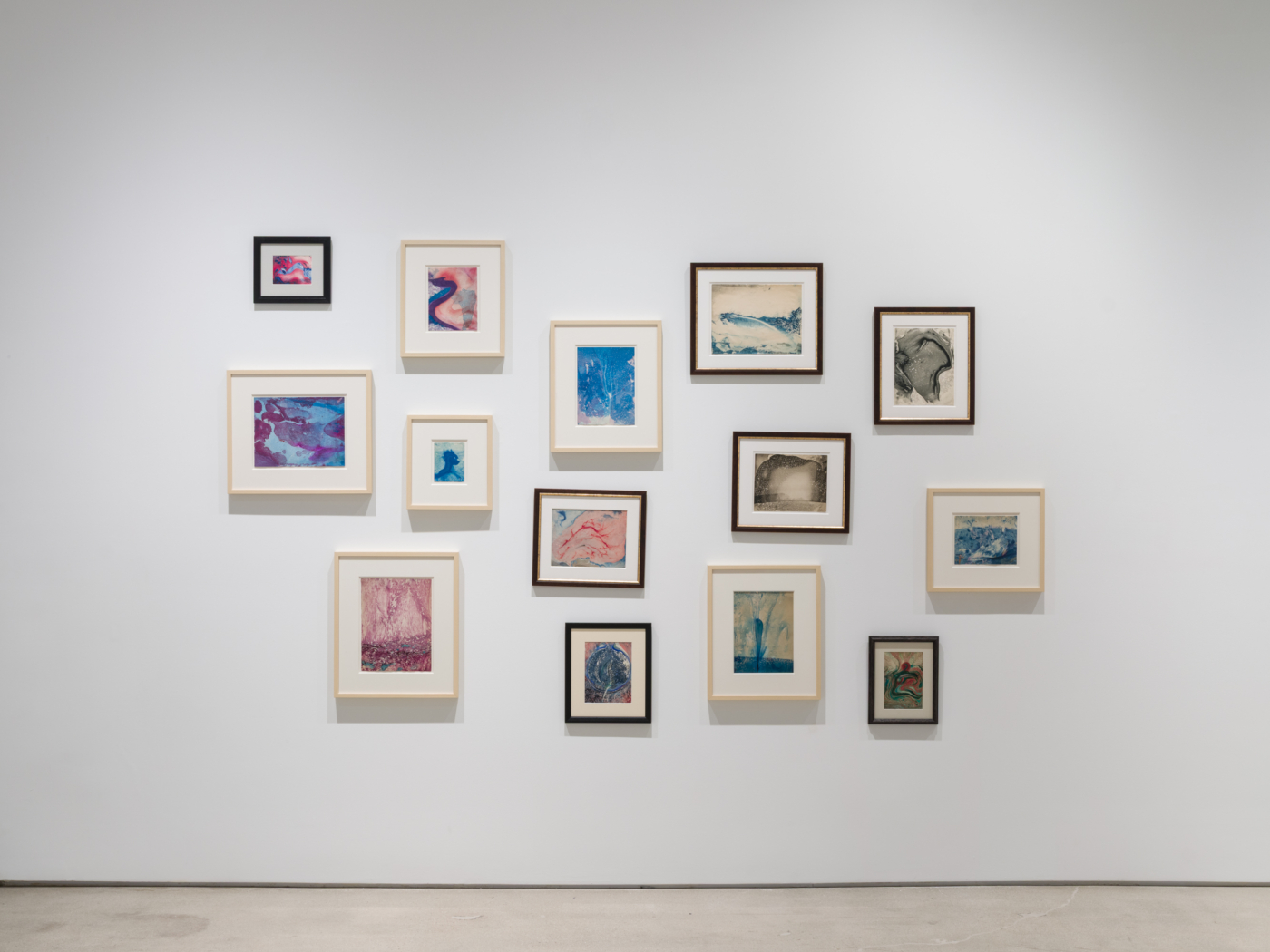
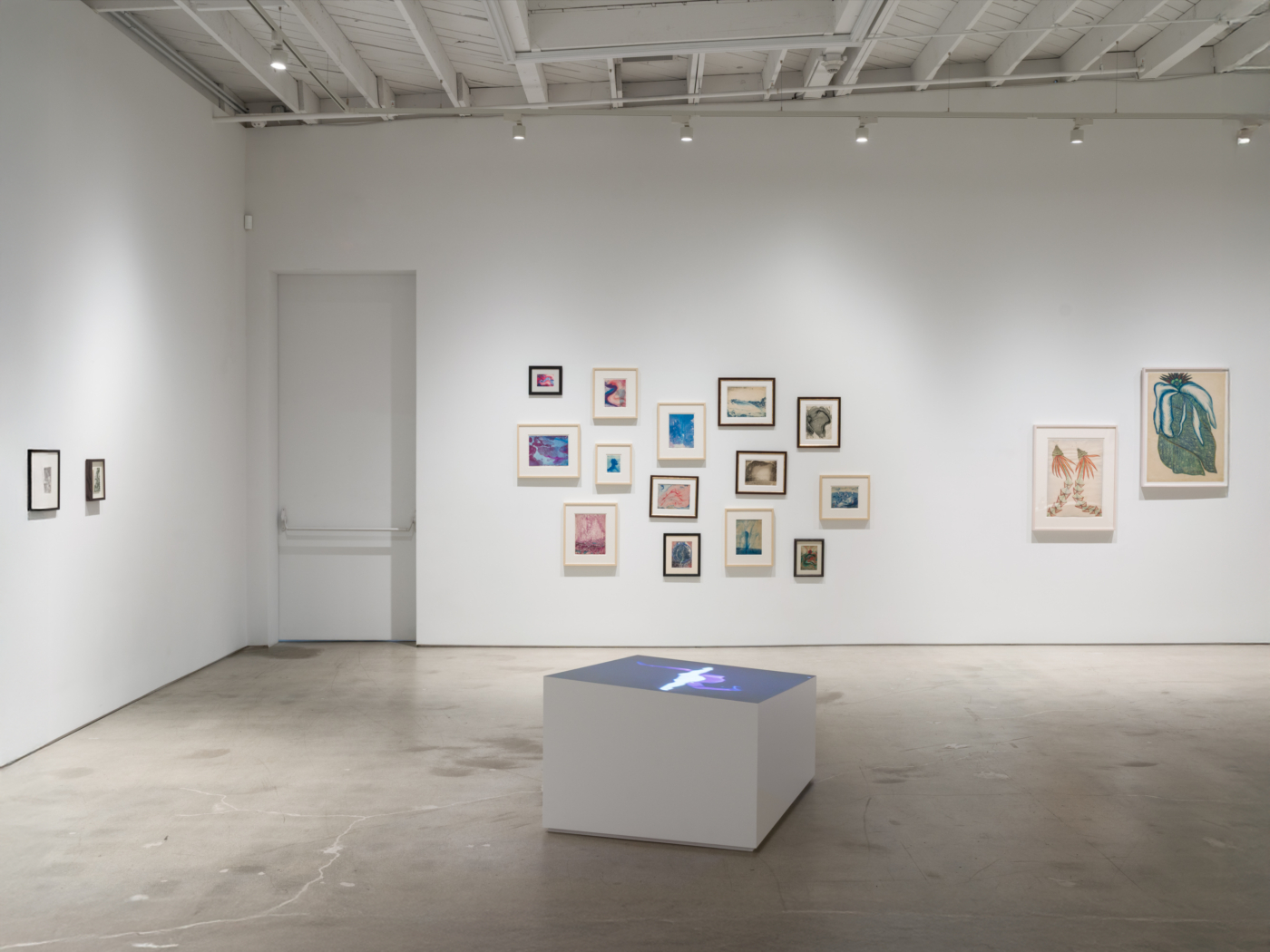
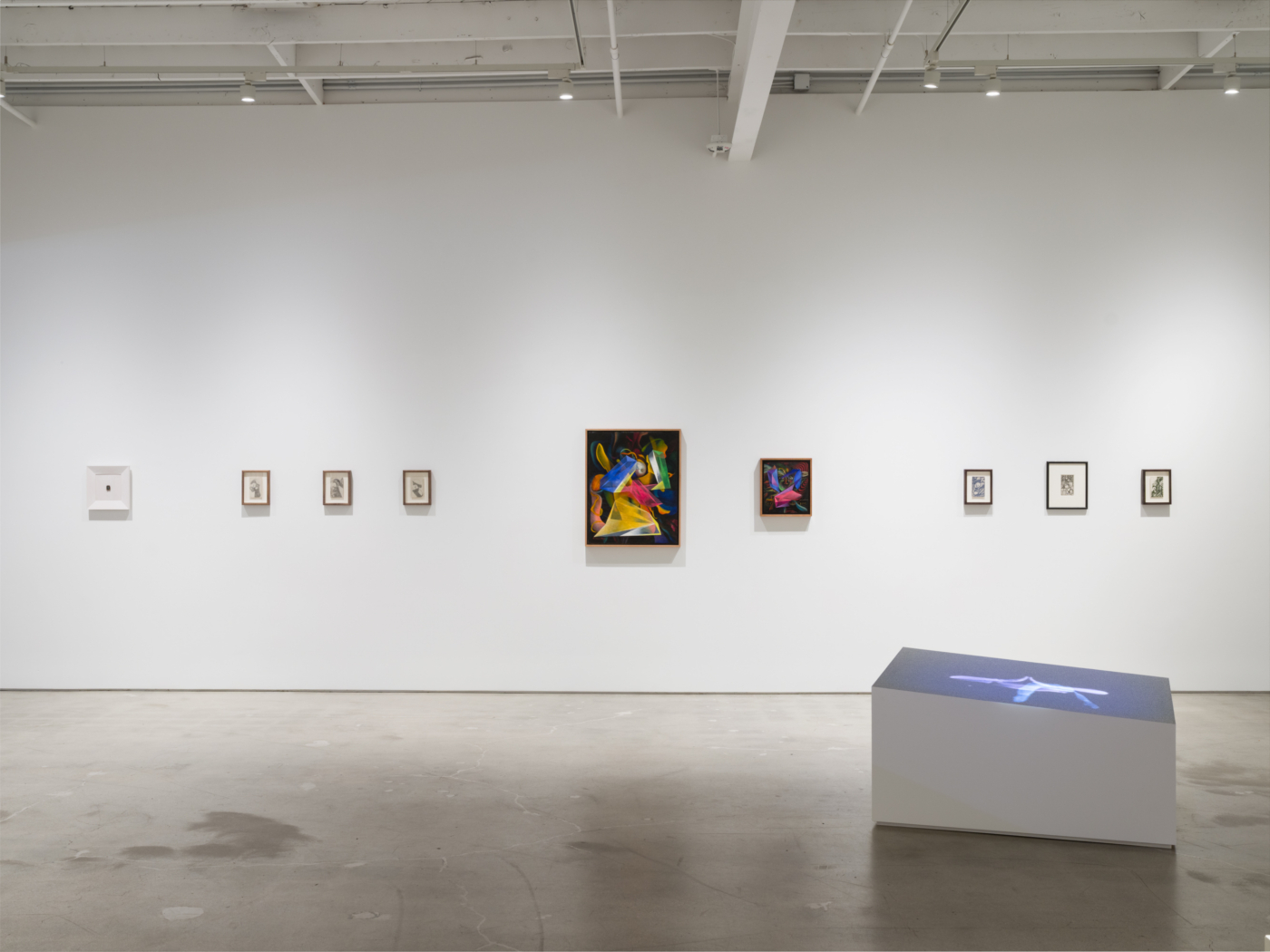
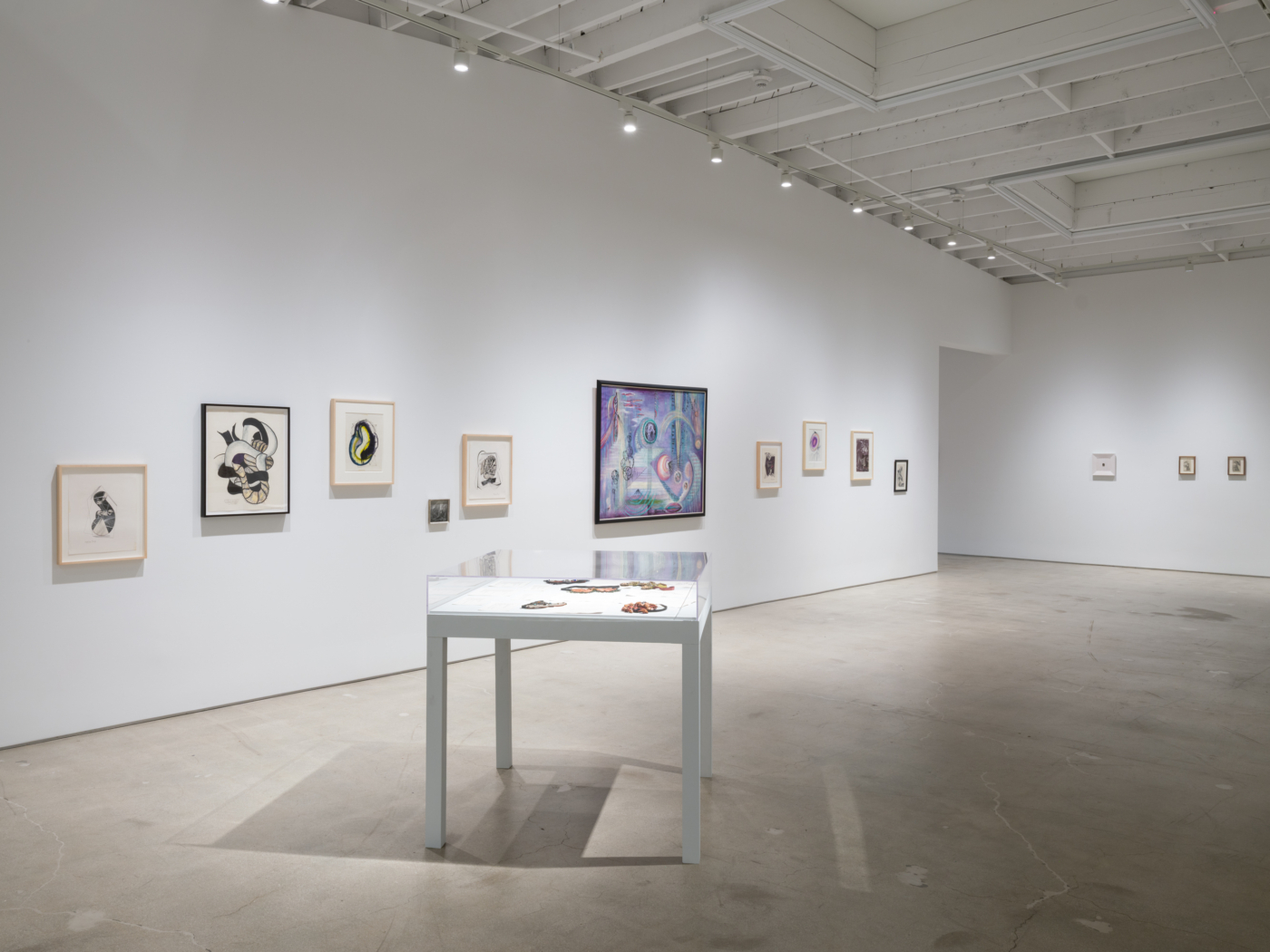
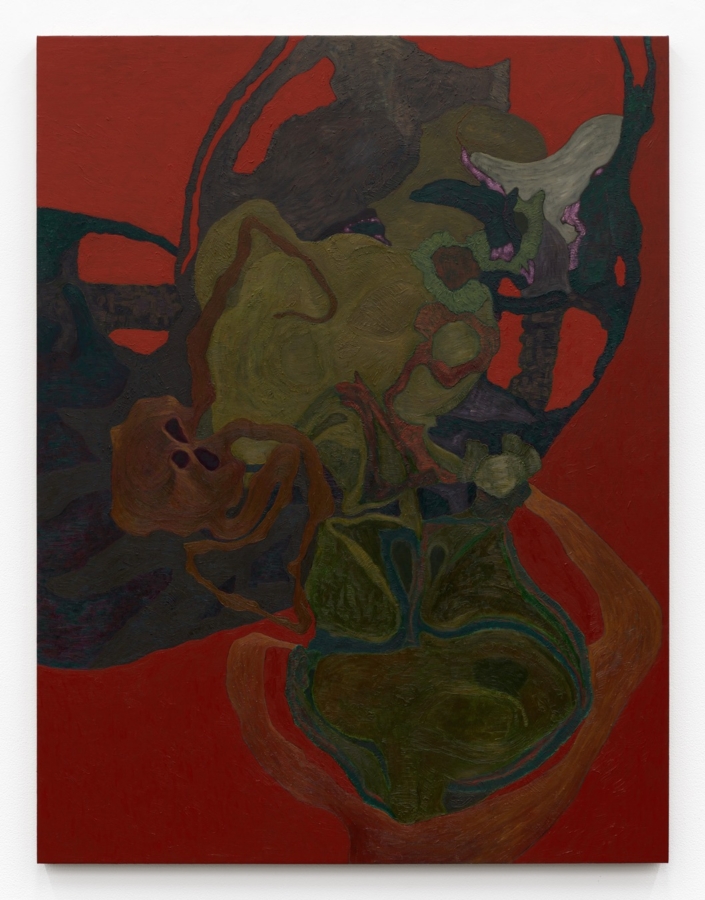
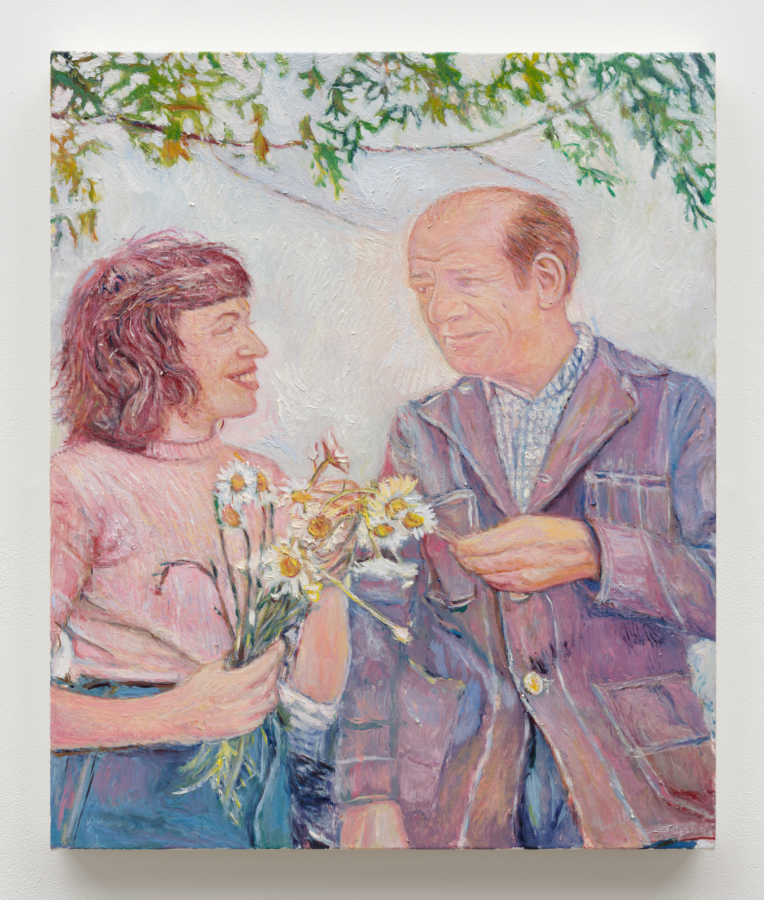
Dictation from the Other Side brings together artists who, across a range of media, techniques, and generations, worked in and extended the Surrealist tradition. This includes those the Surrealists considered “channelers”—figures who gave form to signals from beyond this world—and the following generations, whose practices built on their legacies. The artists in this exhibition turned away from the notion of singular subjectivity or artistic voice, instead exploring authorship as shared, displaced, or subordinated to a force or intelligence external to their own will—dictation, this exhibition asserts, is a missing term in the history of modernist art. 

Building on Surrealism’s investment in mediums and receivers—above all Spiritualist medium and the Surrealists’ “muse of automatic writing” Hélène Smith—the exhibition follows dictation across mediumship, automatism, poetic composition, hermetic research, theosophically inflected abstraction, and the improvisatory structures of jazz. It attends in particular to the community of Surrealists living in exile in New York during and after World War II—Kurt Seligmann, Roberto Matta, Enrico Donati, Esteban Francés, André Masson, and Jacqueline Lamba—for whom Enochian rites and hermetic practices offered forms of psychic resistance to oppressive forces. Dictation from the Other Side treats these forms not as biographical curiosities but rigorous methodologies, asking: how does modern art history change when form is understood as received rather than invented?
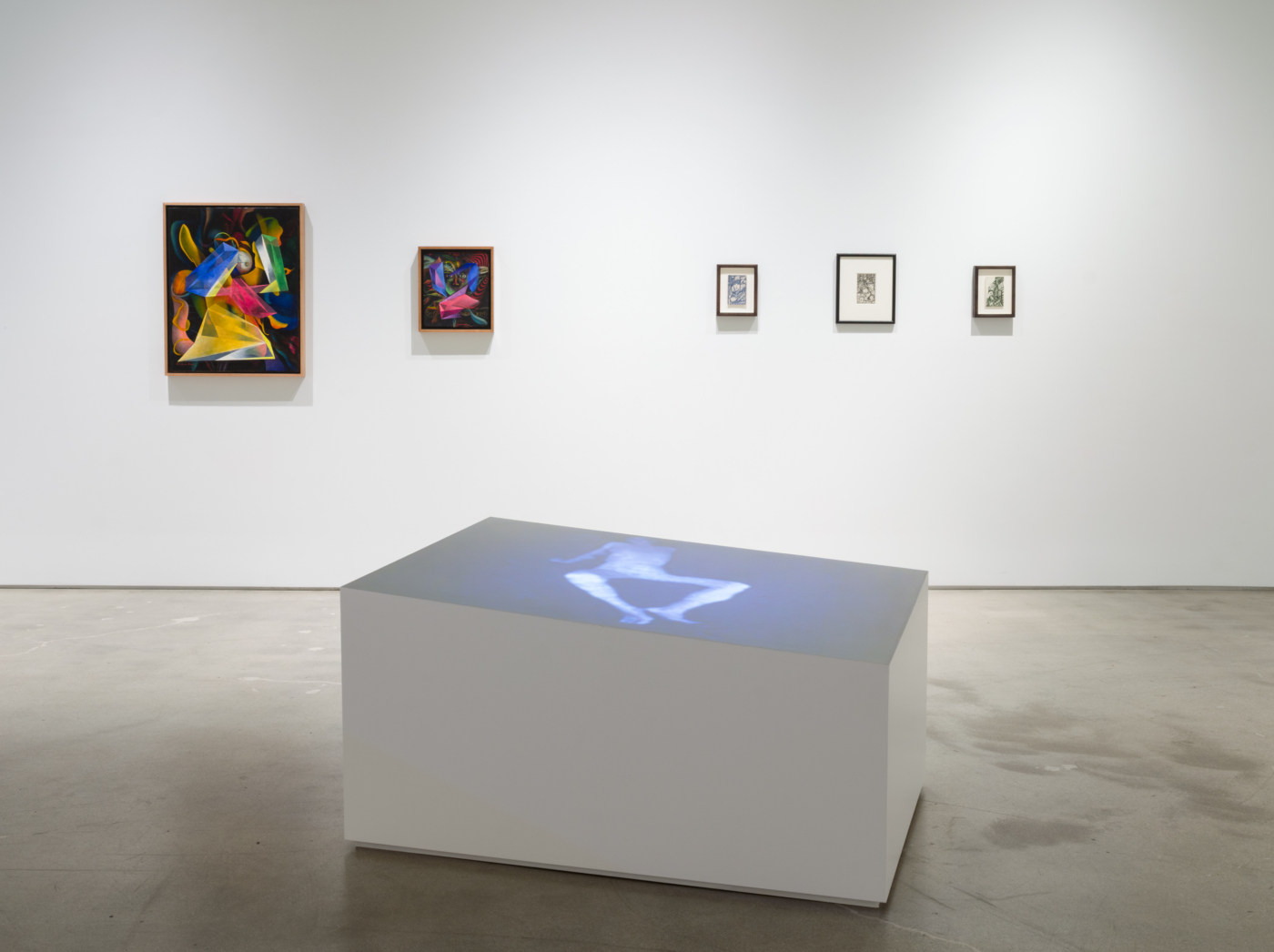
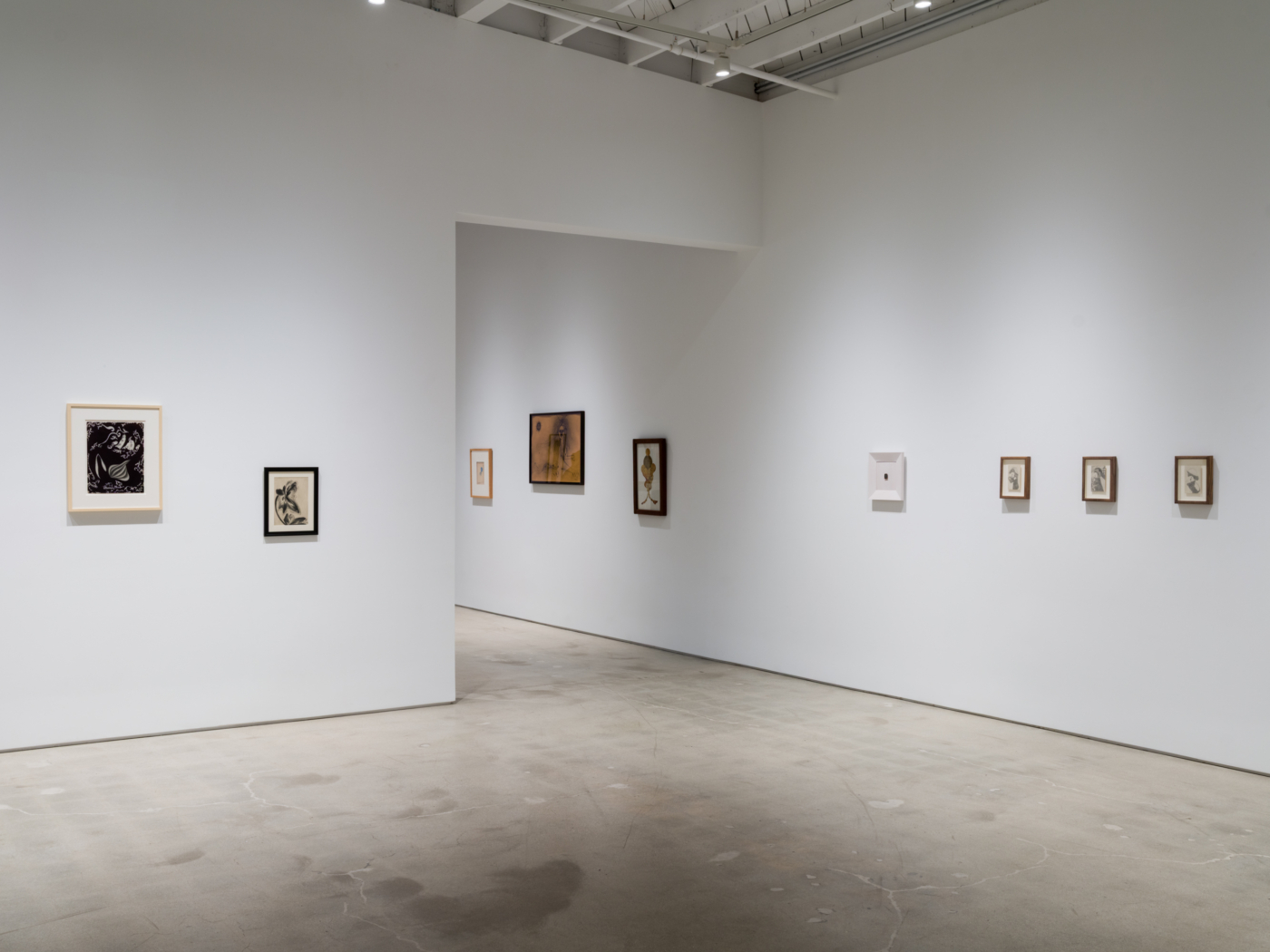
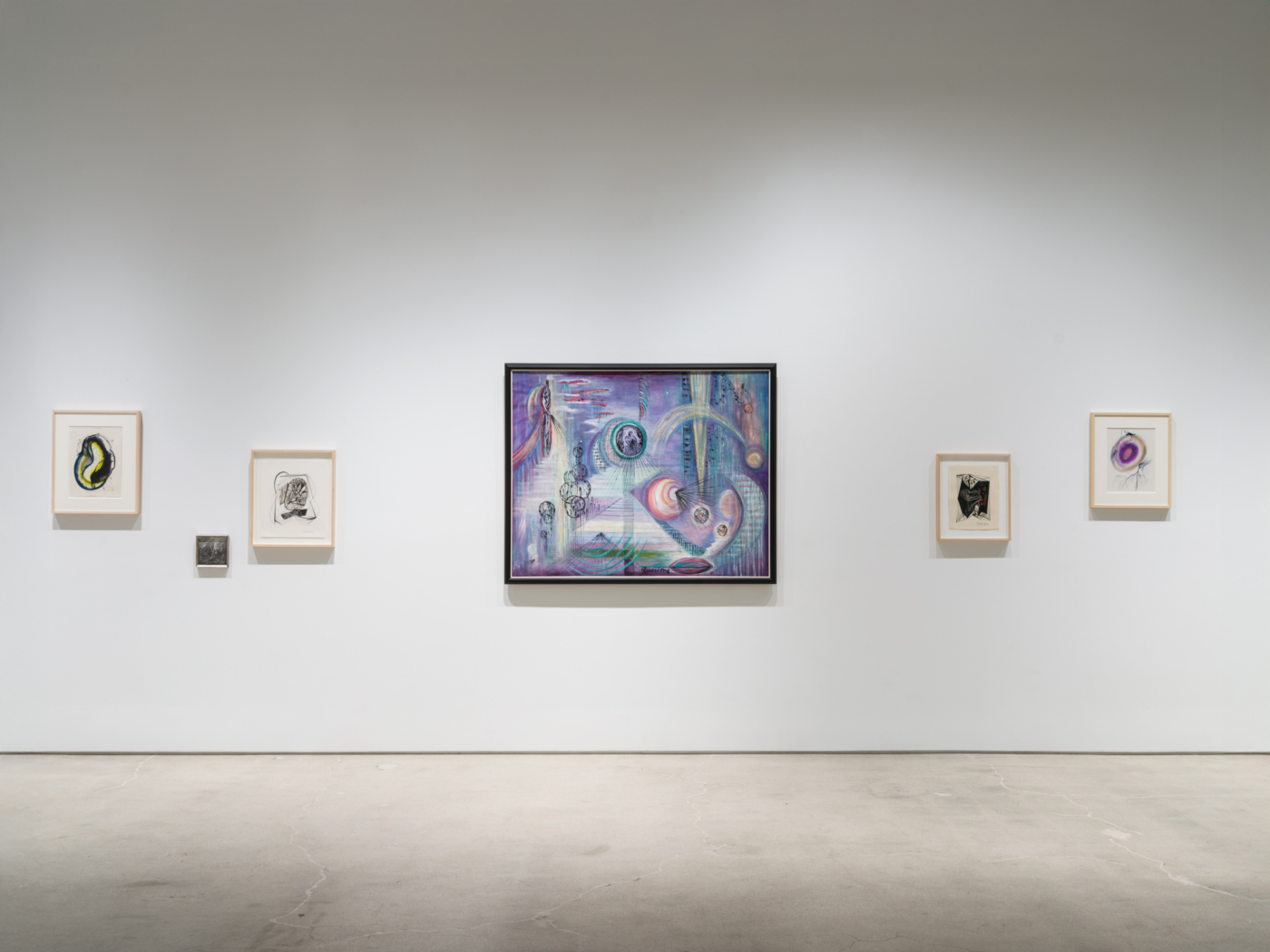
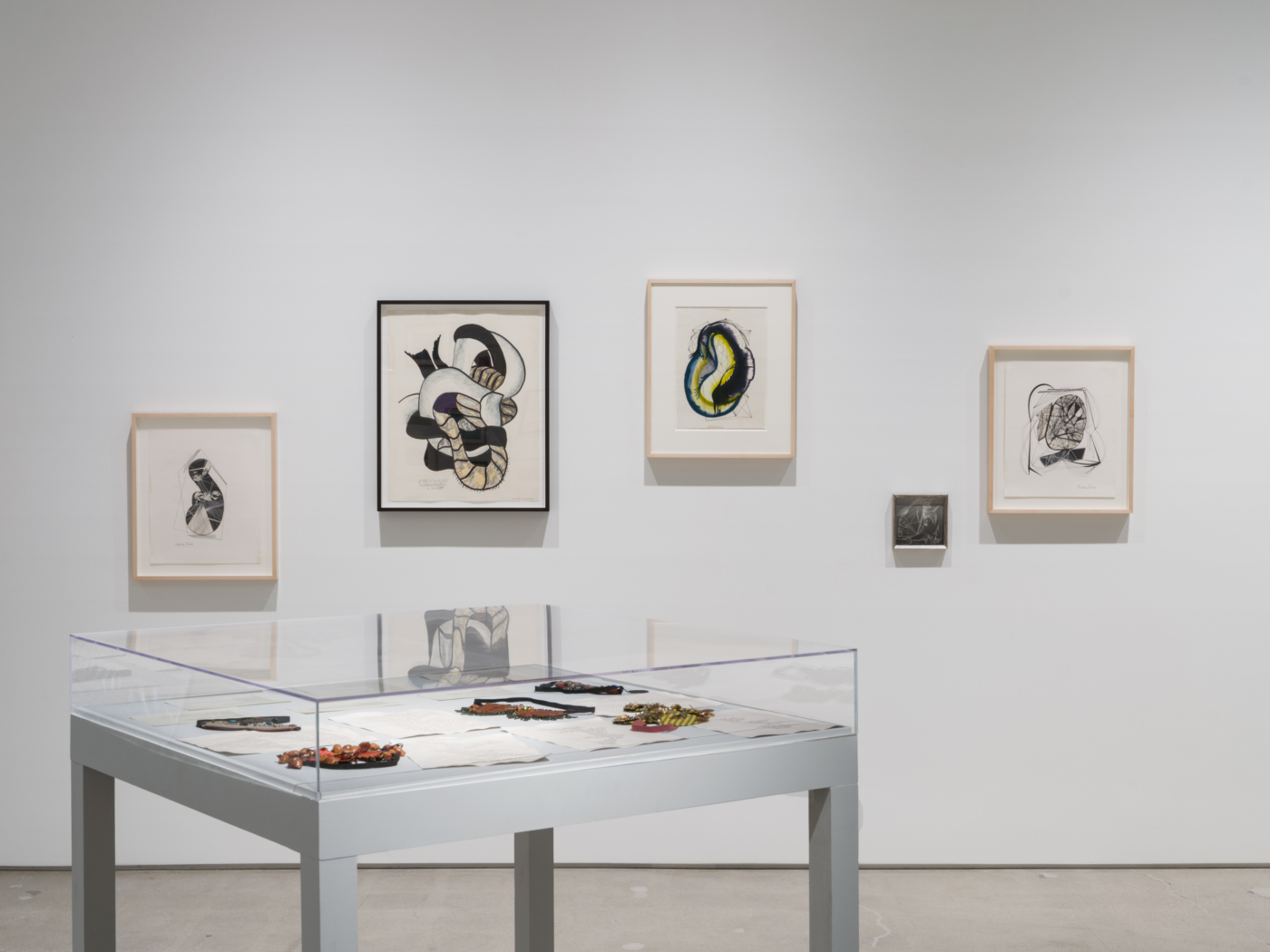
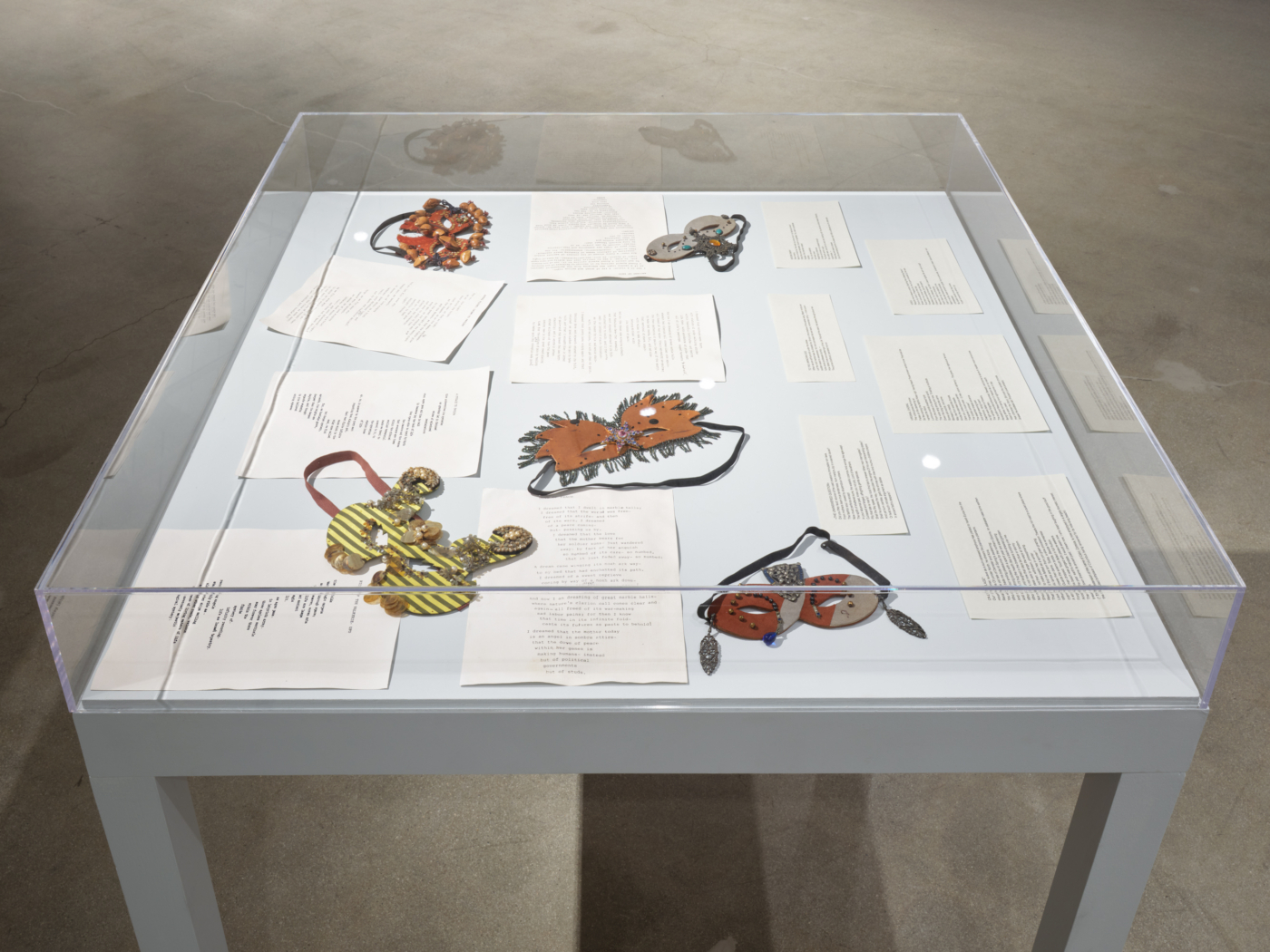
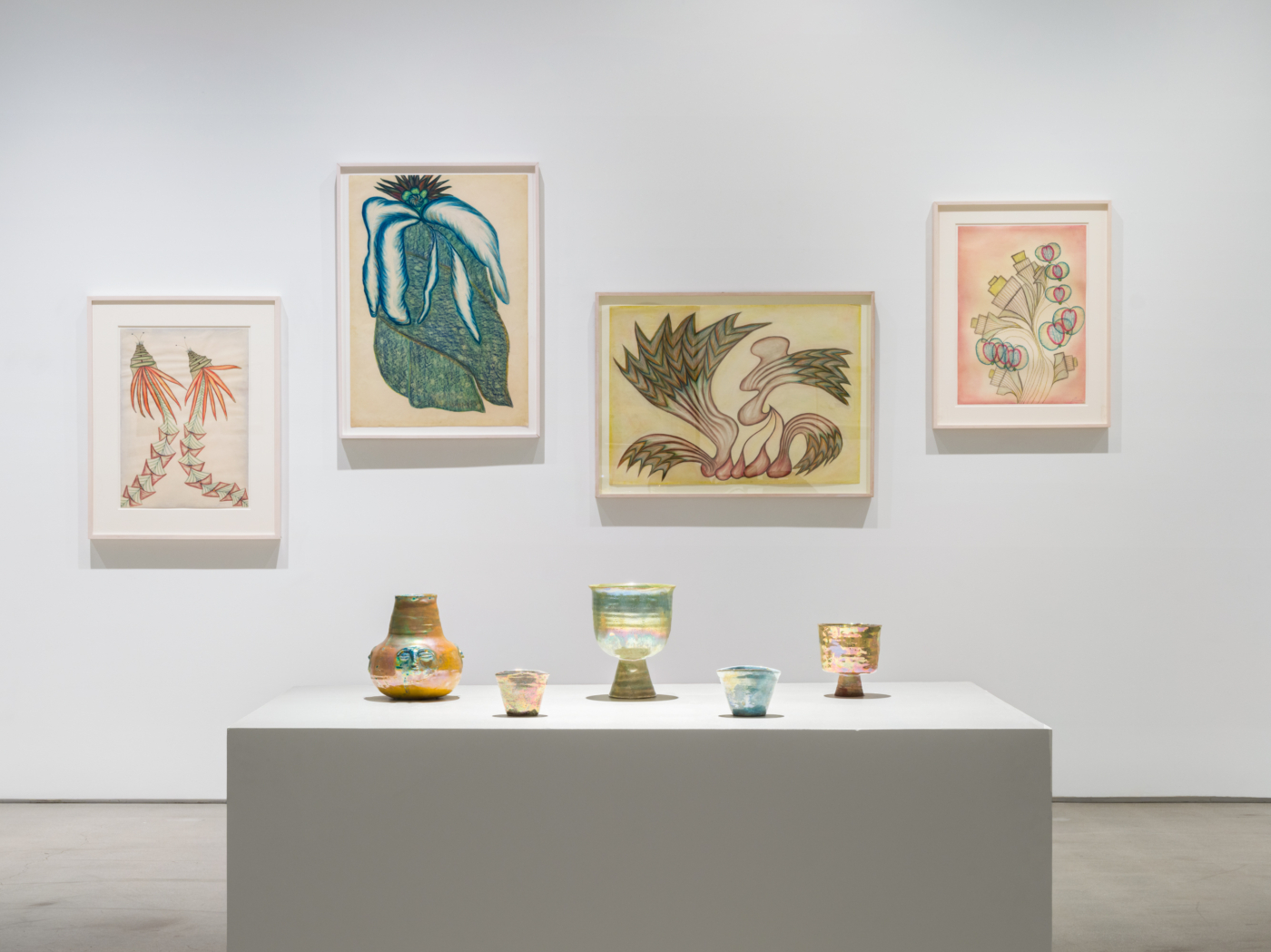
For artists Marian Spore Bush, Paulina Peavy, and Madge Gill, dictation from the unknown extended into fully elaborated systems of prophecy and cosmology. Gill attributed her vast corpus of drawings and textiles to a spirit she called “Myrninerest”; Peavy understood her paintings, masks, and diagrams as collaborations with the Etherian intelligence Lacamo; Spore Bush spoke of “They” or “the People” directing her hand and materials. Beatrice Wood—through her long relationship with Marcel Duchamp and sustained engagement with theosophical thought—treated ceramic glaze and form as part of an alchemical quest, turning the kiln into a site where matter and color undergo carefully staged transformations beyond decoration. These artists and the Finnish Theosophist Aleksandra Ionowa believed that plant life was the lattice through which psychic, spiritual, and emotional orders of experience take form within the visible world. This is also latent in Anna Zemánková’s imaginative botanies.

Poetry as a central medium of dictated form is foregrounded in the work of Peavy, George Herms, Wallace Berman, Ted Joans, Cameron, and Jacqueline Lamba. William S. Burroughs extended this logic through cut‑up and collage procedures, in which language is subjected to interruption, recombination, and external pressure.

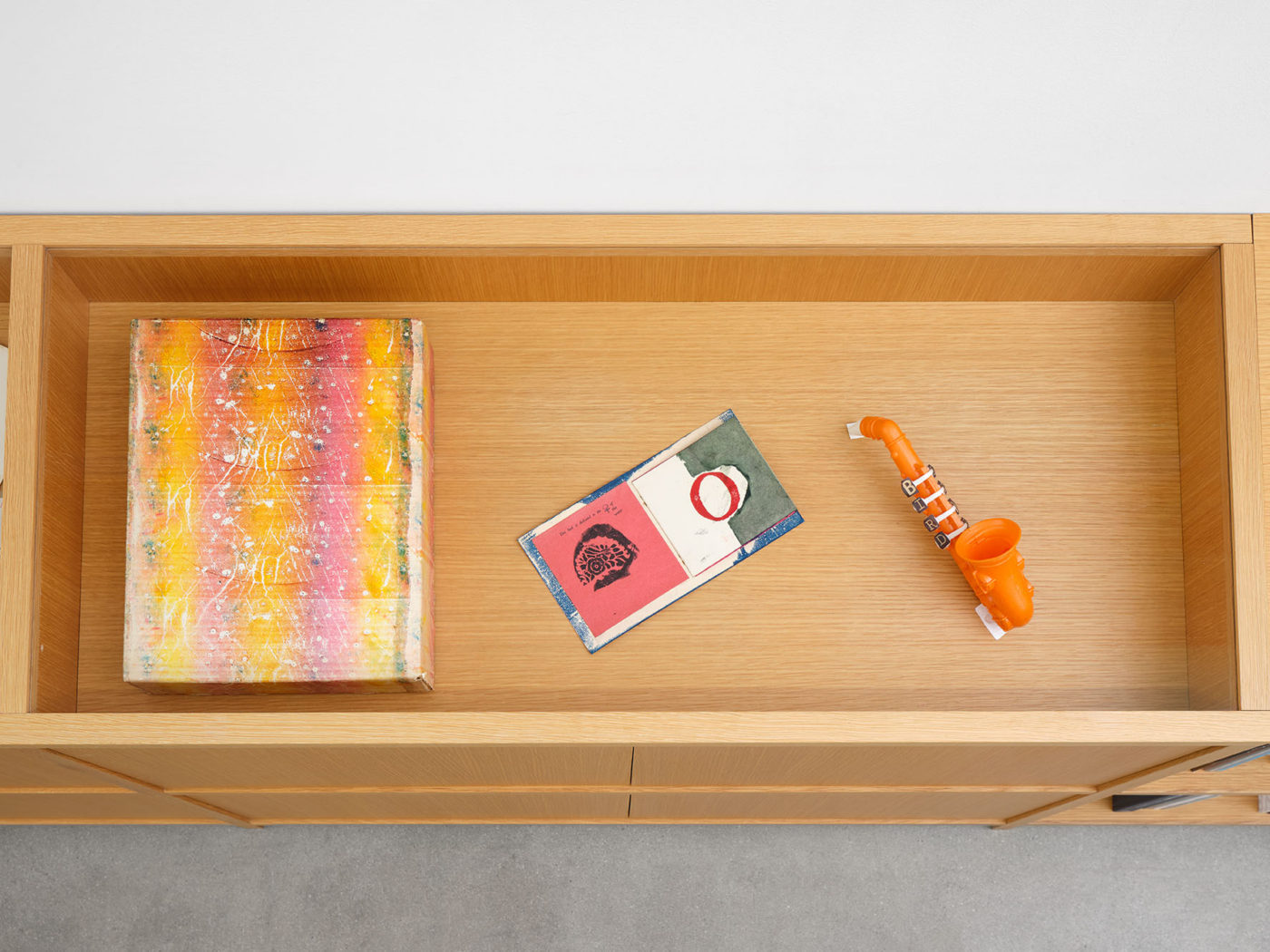
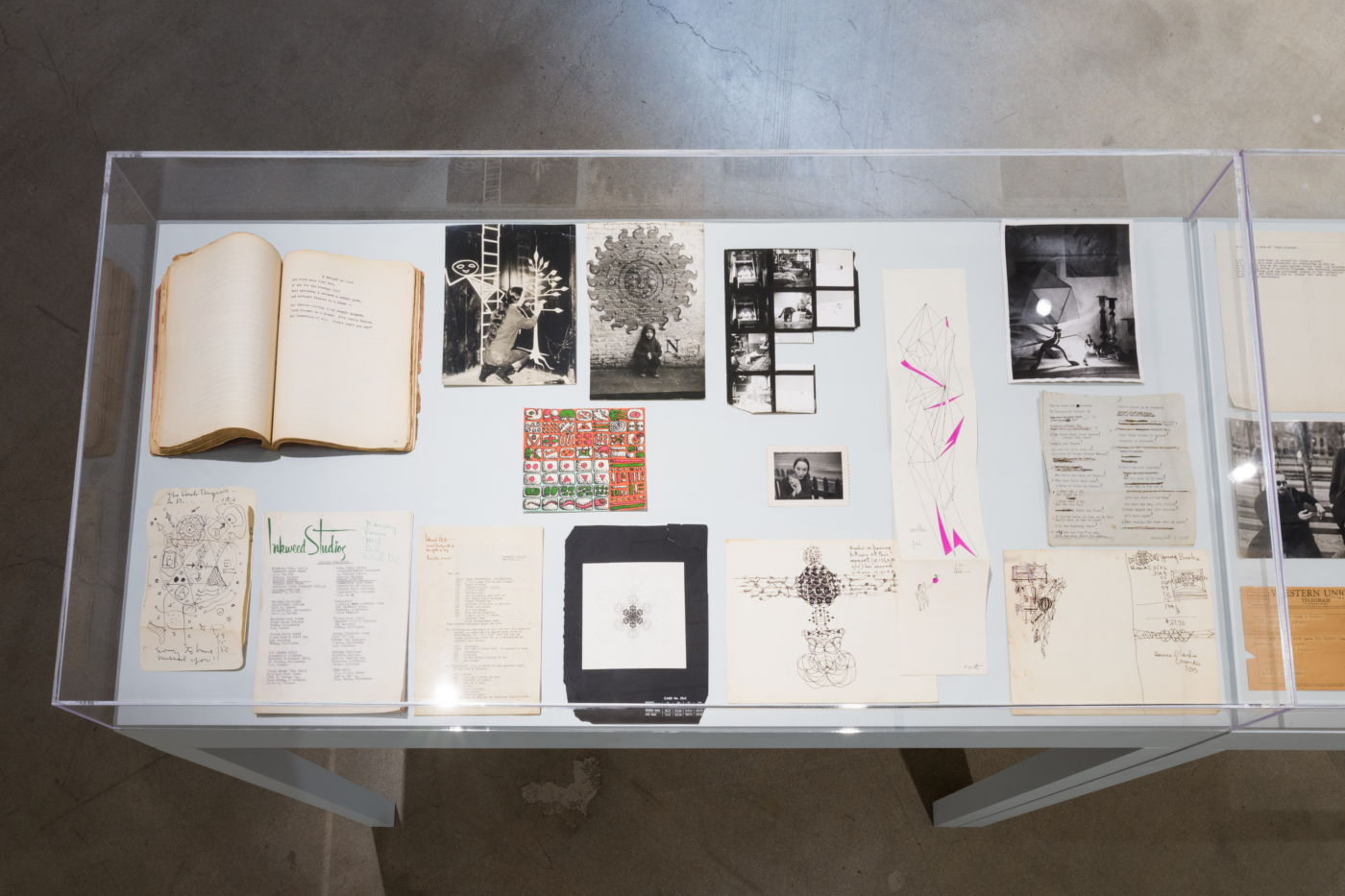
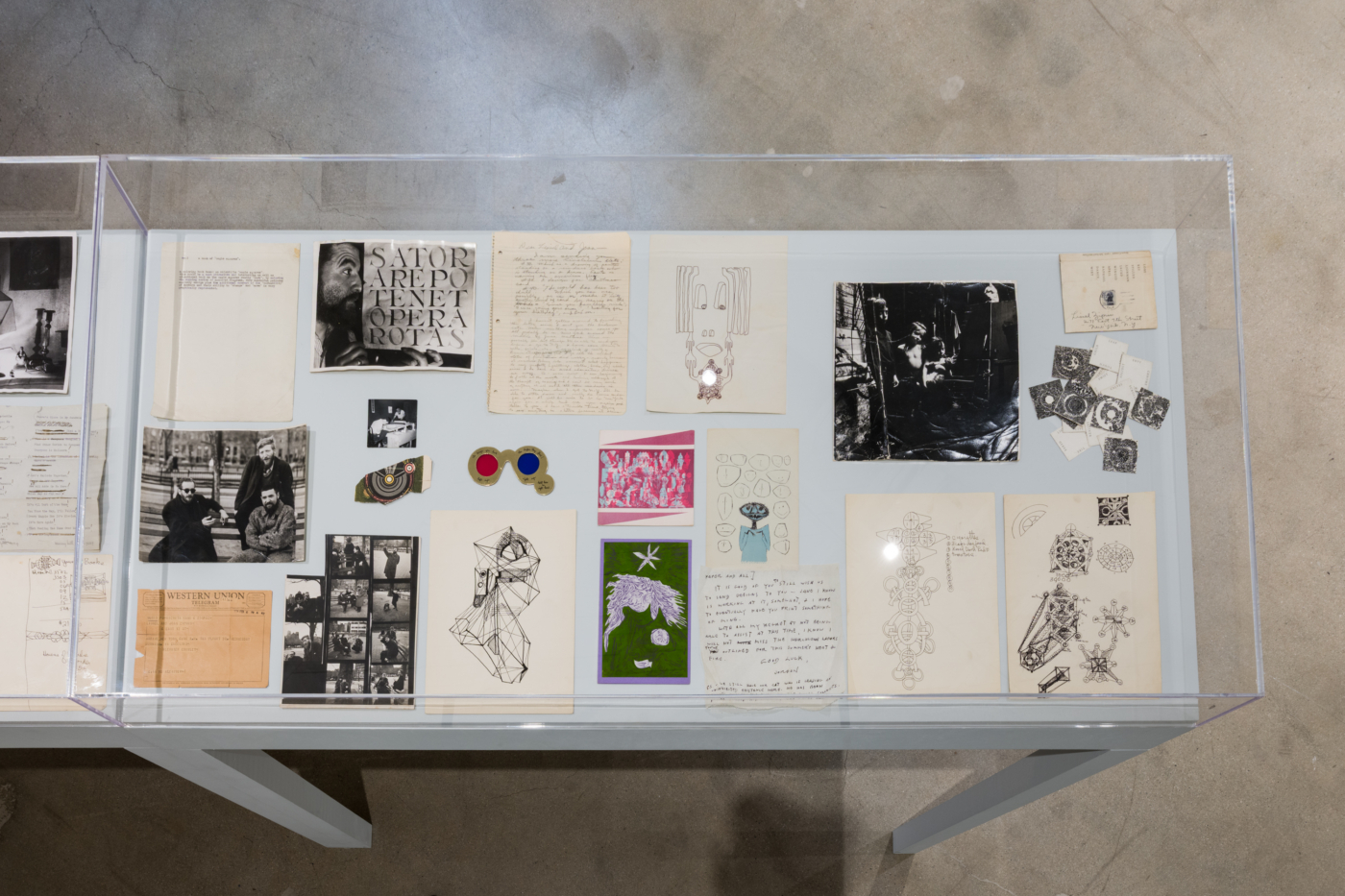
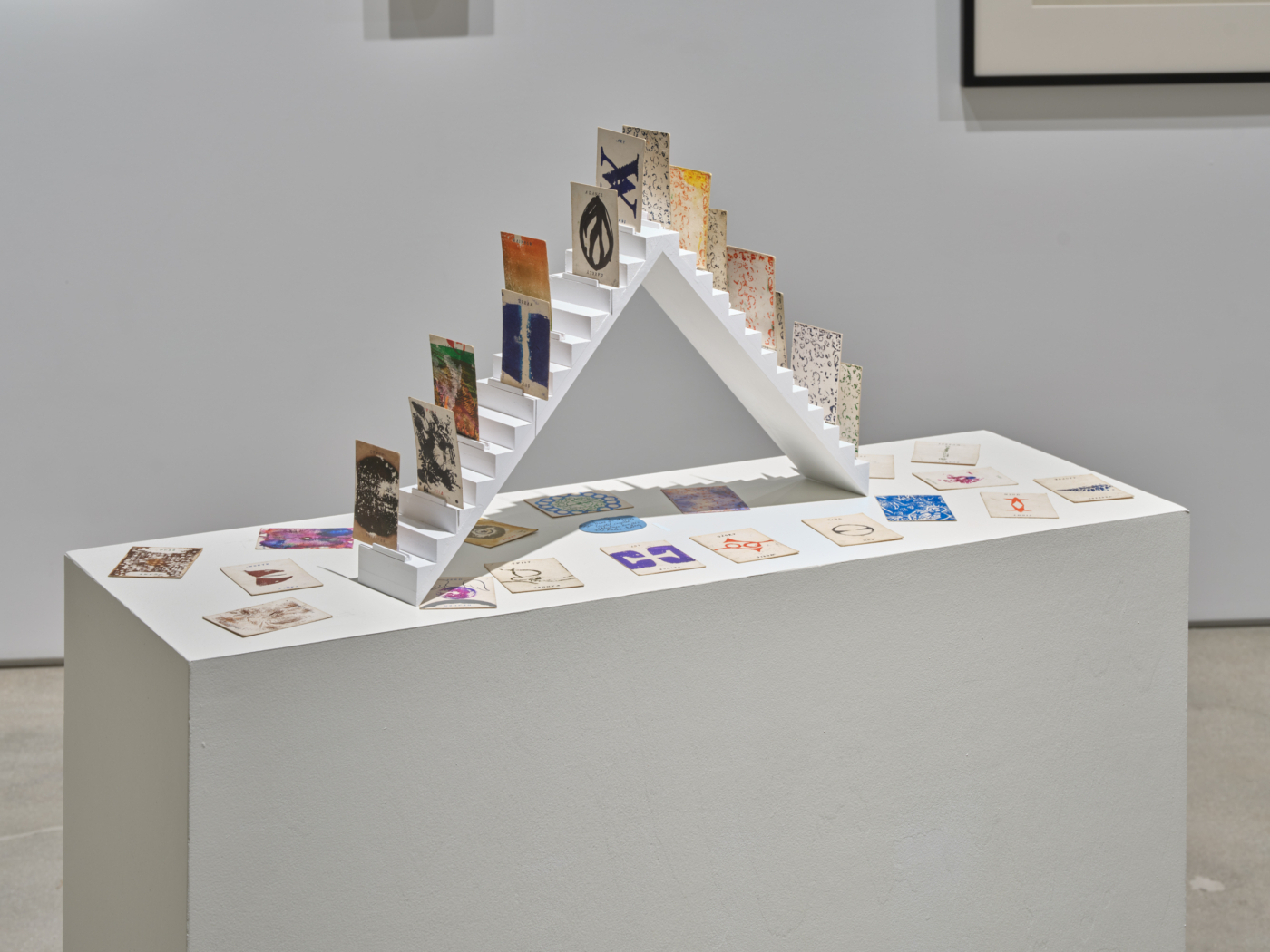
The exhibition also features little-known artworks made in Lionel and Joanne Ziprin’s Lower East Side salon. As part of the Ziprins’ short-lived greeting card enterprise, Harry Smith, Jordan Belson, and Bruce Conner were enlisted to produce small, hand-drawn mail art and ephemera featuring folding diagrams and astrological and Kabbalistic motifs. In this context, Ziprin’s apartment and the “greeting cards” and other artworks produced therein are understood as engines of dictated graphic culture, where records, tapes, mail, and poetry form a continuous experimental field. Jazz in particular offered a parallel technology of transmission for Smith, Conner, and Ziprin, who joined other close friends of Charlie Parker including Gertrude Abercrombie, Berman, Cameron, Joans, and Arthur Monroe in treating Parker’s music as a model for receiving, recombining, and relaying material that exceeds the solitary author, making Harmolodic improvisation a lived analogue for dictation itself. 

For these figures, image-making, writing, and composition were not acts of self-expression but disciplined feats of transcription and reception. The works in this exhibition invoke hermetic and esoteric vocabularies in resistance to tyrannical forces or in the service of healing. 

—Laura Whitcomb

News