The View From Inside
November 7–December 20, 2025
Opening reception Friday, November 7, 6–8 pm
Karma
188 East 2nd Street
New York
Henni Alftan, Lois Dodd, Jane Freilicher, Josephine Halvorson, Yvonne Jacquette, Catherine Murphy, and Sylvia Plimack Mangold
The View From Inside
November 7–December 20, 2025
Opening reception Friday, November 7, 6–8 pm
Karma
188 East 2nd Street
New York
Henni Alftan, Lois Dodd, Jane Freilicher, Josephine Halvorson, Yvonne Jacquette, Catherine Murphy, and Sylvia Plimack Mangold
Are we looking through or at the picture plane? And from where?
—Linda Nochlin, “Some Women Realists,” 1974
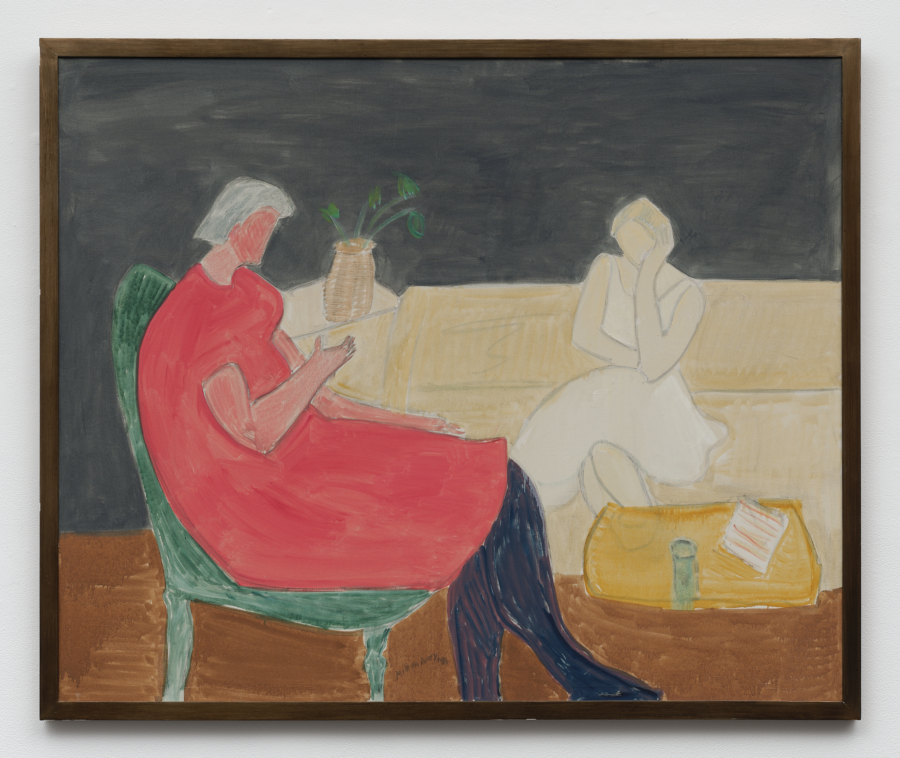
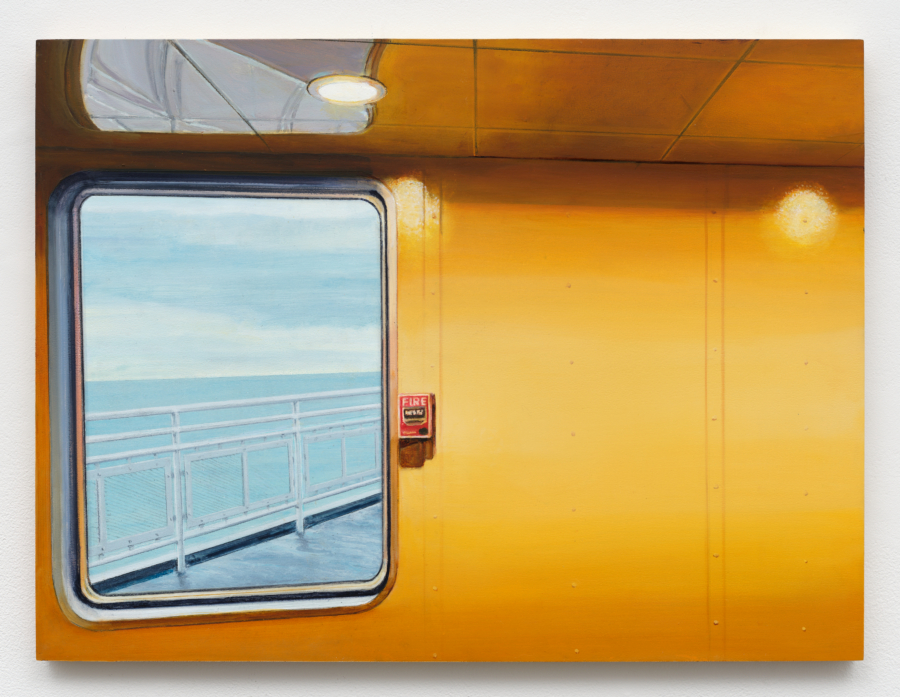
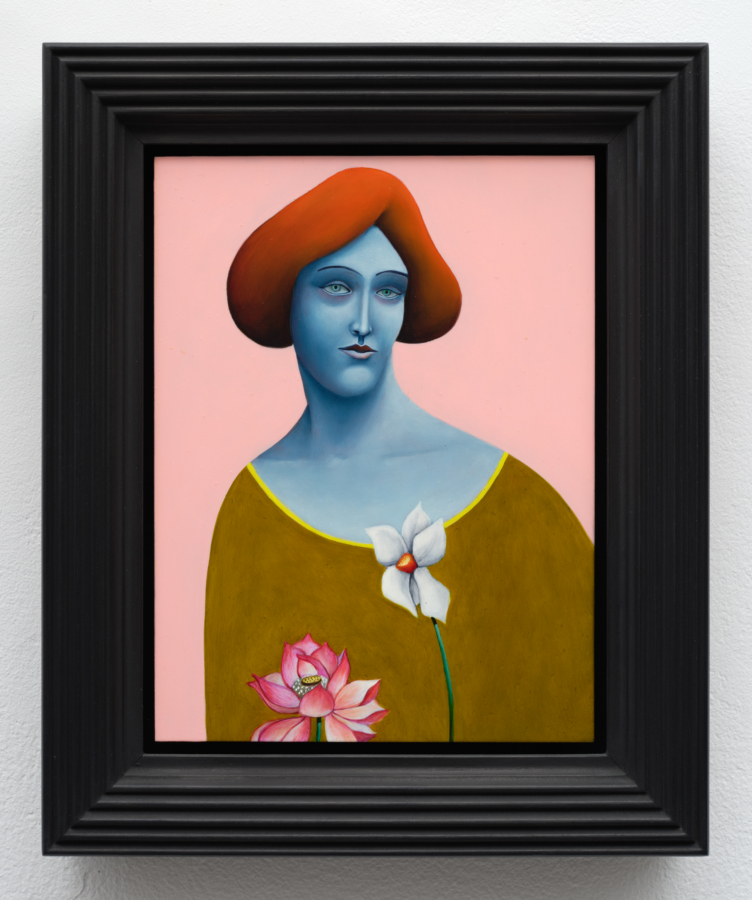
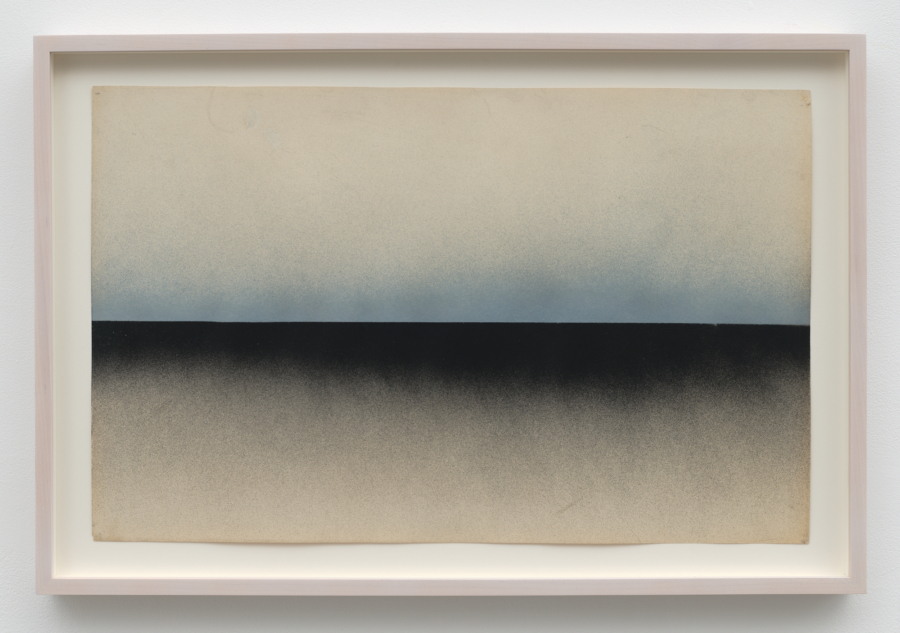
The artists in The View From Inside unsentimentally represent the interior spaces that structure our daily life. Featuring works by Henni Alftan, Lois Dodd, Jane Freilicher, Josephine Halvorson, Yvonne Jacquette, Catherine Murphy, and Sylvia Plimack Mangold, the exhibition charts a genealogy of related approaches to representation. These artists explore relative degrees of trompe l’oeil and stylized flatness, the role of the crop in setting the bounds of a composition, and perspectives that both disorient and reorient. Architectural thresholds—windows, doors, and so on—at turns offer and thwart passage; together, these paintings offer a plethora of views from inside.
Yvonne Jacquette’s interiors of the 1960s capture unexpected angles on the domestic. The tension between their cool, detached tone and the intimacy of their perspective puts the spectator in the artist’s shoes while refusing to impose a particular affect. The closely cropped view in Door Opening (1969) distills the geometric essence of its titular subject. Aligned perfectly with the side of the canvas, molding introduces an abyss of repeated right angles, the structuring condition of painting’s architecture. Like Jacquette, Sylvia Plimack Mangold used the techniques of realism to portray the minimalism present in the everyday. In the latter’s 1966–76 series portraying her apartment’s parquet floor, Plimack Mangold pays nearly photorealistic attention to every whorl and gnarl in the wood slats. For the artist, however, these painstaking renderings are “not about fooling the eye, but about questioning the nature of painting and, thereby, levels of reality.” In First Study (1973), a mirror reflects the parquet at an oblique angle but omits Plimack Mangold, who has painted herself out of the composition.
Lois Dodd and Jane Freilicher’s interiors, while less austere and more gestural than those of Plimack Mangold and Jacquette, also use the constraints of the private space of the home as structuring devices. Their relationships were not only formal but also personal: Dodd and Jacquette connected through Maine’s artistic community, while Plimack Mangold, Jacquette, and Freilicher met in New York’s downtown scene, becoming close friends and significant influences on one another’s practices. Writing about Freilicher’s “interior landscapes” in paintings like Window on the West Village (1999) and Soap Opera I (1986), Nathan Kernan notes how “the outside is explicitly brought in, and the inside is taken out.” The table in the foreground of Still Life–Rooftops (1970) extends to the edge of the window frame, creating one continuous plane with the roofing outside, a symbolic passageway between containment and freedom. Painting from her home instead of in a separate studio, Dodd similarly merges the boundary between inside and outside through tight framing and clever reflection, as in Mirror + Window (1988). In The Broken Door, Blaisey’s Place (1999), boundaries between interior and exterior are caught in the middle of their mutual dissolution. Pieces of wood weave over and under each other around a central void, a portal to what lies just beyond.
Dodd’s broken door is echoed in Josephine Halvorson’s six-foot-tall Breaking Door (2014), its subject approaching life-size. With her trompe l’oeils of a latched window framing a monochromatic night sky, Halvorson, like Jacquette, suggests that the visible world already contains the seeds of abstraction. Catherine Murphy offers a vision realer than reality; in Nochlin’s words, “no photograph would care so much, could be as ostentatiously lavish in its documentation” as Wallpapered Corner (2000), in which carefully observed seams in the decorative, hunting-themed wall covering reveal the cracks in representation. Cellar Light (1985), presents a glimpse of the first floor of a house from an oblique angle that feels at once impossibly broad and intuitively true. Henni Alftan’s paintings, on the other hand, stylize quotidian moments into broad, flat panes of color: a glass of milk casting a shadow and an empty picture frame become chances to translate transparency and geometry. Alftan’s Neighbours (2025) doubles down on the question of framing so central to The View From Inside, showing the sightline from one home into another uncannily similar, equally unoccupied residence. Honing in on the elements of interior architecture that confine by design, the artists here present expanded views that illuminate not only boundaries but also the possibility of transcending them.